Compatible 20x20x1 Filter Replacements
Our 20x20x1 filters are perfect replacements for discontinued models from leading brands:
Glasfloss Replacements:
- Replaces Glasfloss Z-Line Carbon (GF-CB20201)
- Replaces Glasfloss Z-Line Pleated (SBP20201)
- Replaces Glasfloss GDS Fiberglass (GDS20201)
- Replaces Glasfloss PTA Series (PTA20201)
Flanders and AAF Flanders Replacement Filters:
- Replaces Flanders Pre Pleat 40 (FlandersM8-20201)
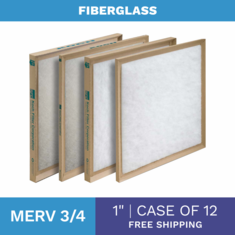
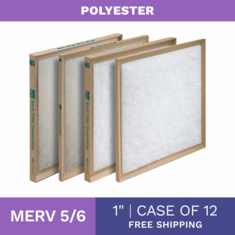
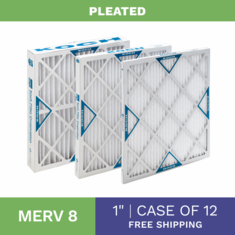
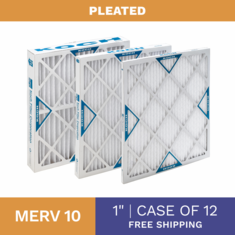
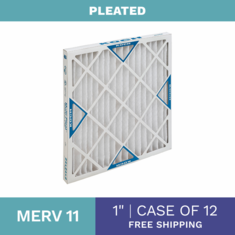
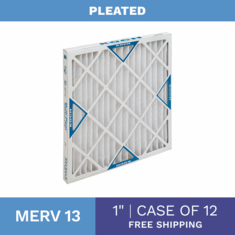
If you previously used Flanders, AAF Flanders, Precisionaire, or EZ Flow 20x20x1 filters, our Koch 20x20x1 filters are compatible replacements for many residential and commercial systems. Choose fiberglass or polyester options for lower-cost airflow-focused replacement, or choose pleated MERV 8-13 filters for stronger filtration.
This helps you attack positions 12-18, where a focused topical improvement can move you onto page one.
Purolator Replacements:
- Replaces Purolator HE 40 Pleated (HE40-20201)
Related 20x20 filter sizes and replacement options
If your old filter does not match 20x20x1 exactly, you may need a related nominal size or a custom replacement. Many filters labeled 20x20x1 have an actual size around 19-1/2 x 19-1/2 x 3/4, while thicker filters may be labeled 20x20x2 or 20x20x4.
Common related options include 20x20x2 air filters, 20x20x4 air filters, and custom 19.5x19.5x1 air filters. If you are replacing an older brand, our Koch air filters can replace many Flanders, AAF Flanders, Glasfloss, and Purolator models. For businesses, rental properties, and maintenance teams, bulk air filters are often the best way to lower the per-filter cost and keep replacements on hand.
Not sure which size or replacement you need? Text or call us at 954-588-7774 and we'll help you match the right filter.
20x20x1 Air Filter Guide
When it comes to filters sized 20x20x1, understanding the key features and specifications helps you make an informed decision that fits your specific needs.
PRO TIP – Our Honest Replacement Advice: Check your filter monthly. If it looks dirty, change it. This saves you money and is more effective than following an arbitrary schedule set by many air filter subscription companies.
In this air filter guide, we will explore what makes an air filter ideal for the 20x20x1 size, including key factors such as filtration efficiency, material quality, and compatibility with your HVAC system. We will also outline the different product categories in terms of MERV rating for your 20x20x1 furnace filter. This will help you know the best filter for your home's condition.
With the right filter, you can enhance air quality, protect your system from dust and debris, and foster a healthier living environment for you and your family.
What is a MERV Rating?
The MERV (Minimum Efficiency Reporting Value) rating is a standardized system by ASHRAE used to measure the effectiveness of air filters at capturing airborne particles. It ranges from 1 to 20, with higher numbers indicating better filtration performance. This rating helps consumers understand how well a filter can trap particles such as dust, pollen, pet dander, mold spores, and even bacteria.
For a common size, such as the 20x20x1 air filter, you'll typically find MERV ratings ranging from 6 to 13 for residential use. For example, a MERV 6 filter captures larger particles, such as dust and lint, but won't trap finer particles, making it suitable for basic protection of your HVAC system. On the other hand, a MERV 13 filter traps smaller particles, including smoke, smog, and some bacteria, offering enhanced indoor air quality without significantly restricting airflow. Filters with MERV ratings above 13 are typically designed for commercial or healthcare environments and may reduce airflow if used in standard home HVAC systems.
Choosing the right MERV rating for your 20x20x1 HVAC filter depends on your indoor air quality needs, the sensitivity of occupants (such as allergy sufferers), and your HVAC system’s capacity to handle airflow resistance.
Understanding Filter Types
Air filters come in various types, each designed to meet different filtration needs and budget considerations. Among the most common for the 20x20x1 size are fiberglass, polyester, and pleated filters, each offering distinct advantages and limitations.
Fiberglass 20x20 Air Filters are the most basic and economical option. They consist of loosely woven glass fibers that trap large particles, such as dust and debris. While affordable, these filters have lower filtration efficiency and a shorter lifespan, making them suitable mainly for protecting HVAC systems rather than improving indoor air quality.
Polyester 20x20 Air Filters offer better durability and slightly improved filtration compared to fiberglass. Made from synthetic fibers, they trap smaller particles and have a sturdier build, which helps maintain airflow while capturing dust and allergens. Polyester filters in the 20x20x1 size can offer some flexibility depending on your maintenance preferences.
Pleated 20x20 Air Filters are the most efficient among the three, as they feature a larger surface area due to their folded design. This allows them to trap a wider range of particles, including pollen, pet dander, and mold spores, without significantly restricting airflow. In the 20x20x1 size, pleated filters commonly have higher MERV ratings, typically ranging from 8 to 13, making them ideal for homes with allergy sufferers or those seeking enhanced air quality.
Understanding these filter types helps you choose one that balances filtration efficiency, cost, and HVAC compatibility for your home environment.
Comparison Table for 20x20x1 AC Filters – MERV Rating, Filter Type, Benefits, and Use Cases
How to Choose Your Filter
Selecting the right 20x20x1 air filter involves balancing several factors, including MERV rating, filter type, benefits, price, and replacement frequency, to suit your home’s specific needs.
Start by considering the MERV rating. If you require basic dust protection and a lower cost, a MERV 6 fiberglass filter is a suitable option. For improved air quality, especially if anyone in your home has allergies or respiratory issues, choose a pleated filter with a MERV rating between 8 and 13. Avoid using very high MERV filters unless your HVAC system is specifically designed to support them, as they can reduce airflow.
Next, evaluate filter types. Fiberglass filters are budget-friendly and protect your HVAC system, but they offer minimal air cleaning. Polyester filters strike a balance between better filtration and durability. Pleated filters provide the highest particle capture and are ideal for achieving cleaner indoor air.
Think about benefits and use cases. For general dust control, fiberglass or polyester filters suffice. For allergy relief or improved health, pleated filters are an ideal choice. Homes with pets or smokers also benefit from higher-efficiency pleated filters.
Price plays a key role: fiberglass filters are the cheapest, while pleated filters cost more due to their improved performance. However, pleated filters last longer and capture more pollutants, offering greater value over time.
Finally, consider replacement frequency. Fiberglass filters typically need to be changed every 30 days. Polyester and pleated filters can often last 60 to 90 days, depending on indoor air quality and usage. Regular replacement ensures optimum airflow and filtration without burdening your HVAC system.
By weighing these factors, you can select a 20x20x1 air filter that strikes a balance between cost, efficiency, and longevity tailored to your specific needs.
Price and Replacement Comparison Table for 20x20x1 Filters
| MERV |
Type |
Best For |
Life Span |
| 3 |
Fiberglass |
Basic filtration |
30 days |
| 5 |
Polyester |
Light allergies |
60 days |
| 8 |
Pleated |
Standard homes |
90 days |
| 11 |
Pleated |
Allergies/pets |
90 days |
| 13 |
Pleated |
Maximum protection |
90 days |
Understanding Air Filter Sizes: The Nominal vs. Actual Difference
The reason a “20x20x1” air filter actually measures about 19 1/2 x 19 1/2 x 3/4 inches is because the stated, or “nominal,” size is intentionally rounded up for standardization and simplicity. Manufacturers and the HVAC industry use these rounded nominal sizes for labeling, packaging, and compatibility—making shopping and installation easier. Our air filter sizing guide walks you through exactly how to measure and what size to order.
The real, “actual” size is made slightly smaller (often by 1/4" to 1/2" in each dimension) so the filter slides into the housing slot without being forced or damaged, and so it can be installed and removed easily for regular replacement.
If manufacturers made the filter exactly 20 inches by 20 inches, even tiny variances in housing or filter construction could make installation impossible or cause the filter to fit too tightly. On the other hand, a filter that is too loose could allow unfiltered air to bypass the filter. This sizing practice ensures a reliable fit, easier handling, and optimal system performance.
Installation Guide for 20x20x1 Air Filter
Installing a 20x20x1 air filter in your home HVAC system is a straightforward task that can significantly improve your indoor air quality and system efficiency. Follow this step-by-step installation guide to install your AC filter and improve the air quality in your home.
- Turn off your HVAC system: For safety, always power down your heating and cooling system before replacing the filter.
- Locate the air filter compartment: Typically, the filter slot is found along the return air duct or near the blower compartment in your HVAC system. If you are uncertain, consult your HVAC manual to determine the exact location.
- Remove the old filter: Slide out the existing filter carefully, noting the direction of the airflow arrow printed on the filter frame.
- Check the new filter’s airflow direction: Look for the arrow on your new 20x20x1 filter that indicates airflow direction. The arrow should point toward the blower or HVAC unit, ensuring proper airflow through the filter.
- Insert the new filter: Slide the new filter into the filter slot with the arrow aligned in the correct direction. The filter should fit snugly without bending or forcing it in place.
- Secure and close the filter slot: If your system has a cover or panel over the filter slot, reattach it securely to prevent air leaks.
- Power on your HVAC system: Once the new filter is installed, turn your system back on.
- Regular maintenance: Check and replace your filter every 30 to 90 days, depending on the filter type, indoor air quality, and household factors like pets or allergies, for optimal performance.
Following these steps ensures your 20x20x1 air filter is correctly installed, helping your HVAC system operate efficiently while keeping your home air clean and fresh.
Bulk Purchases for Savings
Why do our filters come in cases of 12? Purchasing bulk air filters 20x20x1 can offer savings, especially for commercial properties or multi-unit residential buildings. Buying in bulk ensures you always have a replacement, reducing the risk of running your system with a clogged filter.
Conclusion
Choosing the right 20x20x1 air filter is essential not only to maintain your HVAC system's efficiency but also to ensure your home's indoor air quality supports the health and comfort of everyone living there. By understanding key aspects, such as MERV ratings, filter types (including fiberglass, polyester, and pleated), and balancing cost and replacement frequency, you can make an informed choice that fits your household's unique needs.
Investing in a suitable air filter protects your HVAC system from dust and debris, improves clean air circulation, and can reduce allergy and asthma symptoms by trapping airborne pollutants. Regular replacement, depending on the filter type and home environment, ensures consistent system performance and air cleanliness.
Take action today by assessing your home's air quality needs and ensuring your HVAC system's compatibility. Select the correct 20x20x1 air filter with the appropriate MERV rating and filter type, and follow the proper installation and maintenance procedures. Doing so will help you achieve a healthier home environment and extend the life of your HVAC system. Don't wait—start improving your indoor air today.
 Free Shipping