Free Shipping



To find the right size air filter:
- Check your current filter’s label (look for “actual size”)
- If not listed, measure it yourself (length × width × depth, in inches)
- Don’t force oversized filters; slightly smaller is fine
- If your size isn’t standard, order custom filters online — it’s easy and cheap
👉 Need a fast answer? Shop by filter size with free shipping →
Confused about the sizes? Text or call us today! 954-588-7774




If you’re wondering, “What size air filter do I need?” the fastest way is to check the label on your current filter. Air filter sizing can feel confusing with all the numbers and letters on the box, especially when they don’t seem to match what’s printed on your old filter. Finding the correct air filter size for your system is straightforward once you know where to look.
There is a good chance your filter falls into one of the following combinations.
Most Common Residential Filter Sizes:
- A 20x20x1 air filter is the most common residential air filter size.
- 16x25x1, 16x20x1, and 20x25x1 are other common sizes.
- 1-inch depth is standard, but 2", 4", and 5" are also common
Quick Answer: How to Find Your Air Filter Size …
- Check the size printed on your current filter or its packaging.
- Look for the actual size, listed as Length × Width × Thickness.
- If the size isn’t printed, measure the filter or the filter slot in inches.
- Never force a filter that’s too large; slightly smaller is usually okay.
In this guide, we’ll walk through the easiest ways to figure out what size air filter(s) your system actually needs.
Where to Find Your Air Filter Size
It is not your fault that you struggle to find the correct filter size for your home; the system itself is confusing. When removing your old air filter, you may see numbers that do not match. That’s because air filters use nominal sizes, which are rounded numbers, instead of their actual size, which is slightly smaller. Once you understand this difference, finding the right filter size becomes much easier.
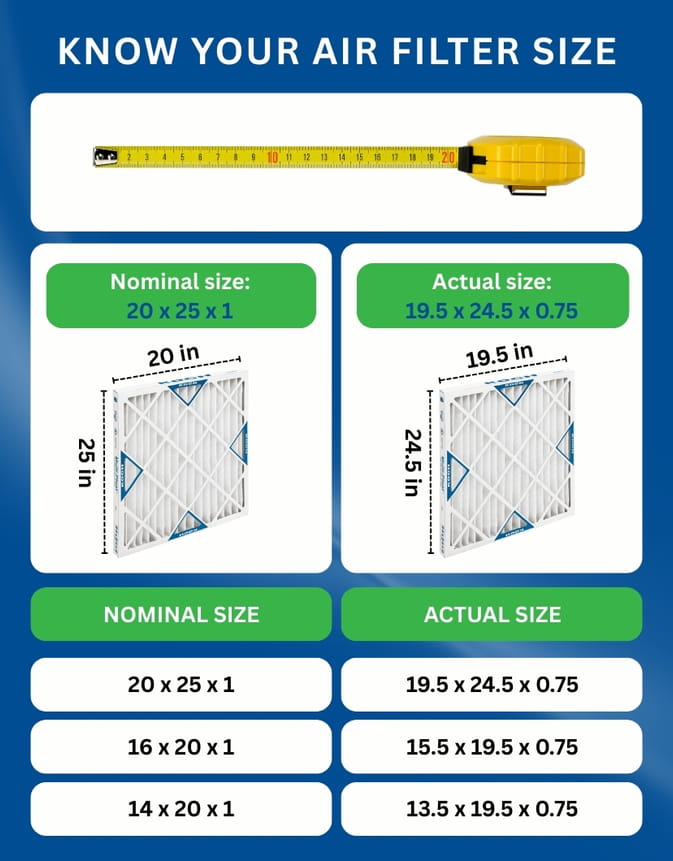
Nominal vs. Actual Size (What the Numbers Mean)
Look for the actual size printed on the box or filter frame. This is the precise measurement of the filter, listed as Length × Width × Thickness, without rounding.
The actual size indicates how large the filter is and ensures it fits properly in your system. If you can find this measurement, you can confidently buy the same size again, knowing it will fit just like your old filter.
|
Nominal Size |
Actual Size |
|---|---|
|
20x25x1 |
19.5x24.5x0.75 |
|
16x20x1 |
15.5x19.5x0.75 |
|
14x20x1 |
13.5x19.5x0.75 |
If the Size Isn’t Printed: Measure the Filter
If the actual size is not printed on your filter frame, there’s another easy way to find the right size. Remove the old filter and measure it with a tape measure. Once you’ve measured all three sides, you’ll know the exact filter size you need to buy.
The steps to measure your air filter size:
- Turn off your HVAC system first (safety)
- Measure from edge to edge of the filter frame
- Take measurements twice to ensure accuracy
- Note: Length and width are often interchangeable, but depth is always the third dimension
No Old Filter? Measure the Filter Slot
If this is your first time buying and installing an air filter and you don’t have an old one to reference, you can measure the filter slot instead. Remove the filter access panel and measure the opening where the filter slides in, not the door itself. These measurements will tell you what size filter your system is designed to use.
If Your Size Doesn’t Match Exactly (Rounding + Fit Rules)
If your measurements don’t match a standard filter size, don’t worry; this is very common. The most important rule is simple: never force a filter that’s too big. Forcing an oversized filter can reduce airflow and increase energy use. A properly sized filter creates a tight seal, ensuring all air passes through the filter material.
A slightly smaller filter is usually fine, but forcing a larger one can restrict airflow or damage your system. Thickness matters too. Thicker filters often last longer and trap more contaminants, so always measure the depth of your filter slot, as well as its length and width.
When to Use a Custom Filter
Are you still having trouble finding your size, or does no filter seem to fit? There is nothing to worry about, and there is actually a simple solution to your problem. Some AC systems do not match standard sizes if they are older or an outdated model. Most websites offer a custom filter option where you can enter the sizes you want, and they will ship them to you. What you never want to do is run an AC without a filter or try to fit a filter that is too large into the slot. This will damage your AC in the long run and cost you more.
Order Custom Air Filters in 3 Easy Steps
Which Air Filter Size Do You Need?
Finding the right air filter size doesn’t have to be complicated. In most cases, you can check the size printed on your old filter or its packaging and buy the same one again. If the size isn’t listed, measure the filter or filter slot in inches for length, width, and thickness to determine the required size.
Air filters use nominal sizes, which are rounded versions of the actual measurements. This is normal and not something you did wrong. The key is ensuring the filter fits properly and is not forced. When in doubt, a slightly smaller filter is usually better than one that's too large.
For example, if you measure and land on the most common residential size, head straight to our 20x20x1 air filters, where we stock every MERV rating and can custom cut if your true size runs a little off.
Once you know your size, this walkthrough on getting the cheapest AC filters with free shipping covers how to get the best deal before you order.
If your system doesn't match standard sizes, custom filters are a common and easy solution that can help protect your system. Once you know your filter size and depth, use the air filter replacement schedule for 1-inch and media filters to plan when to replace it.
Troubleshooting Air Filter Measurement:
- Measurements don't match standard sizes? Round to the nearest inch.
- Filter slot measures 19.5" x 24.5"? Order a 20x25x1.
- Multiple filters in your system? Measure each slot separately.
- Old filter looks warped? Measure the slot, not the old filter.
Next Step: Choose the Right Filter Type (MERV Rating)
Now that you know what size filter you need, the next question is what type of filter should you get? That depends on your priorities — do you want basic dust protection, better airflow, or stronger filtration for allergens? The MERV rating (Minimum Efficiency Reporting Value) helps you compare.
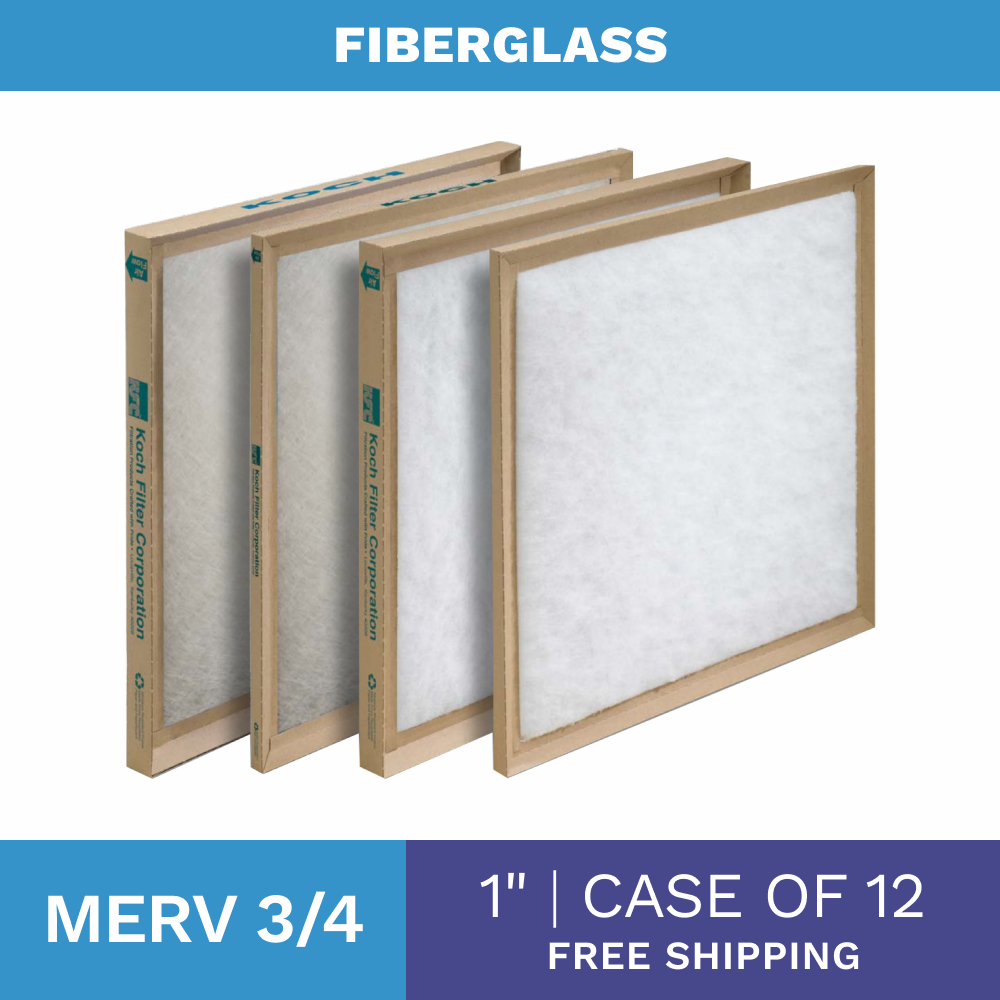
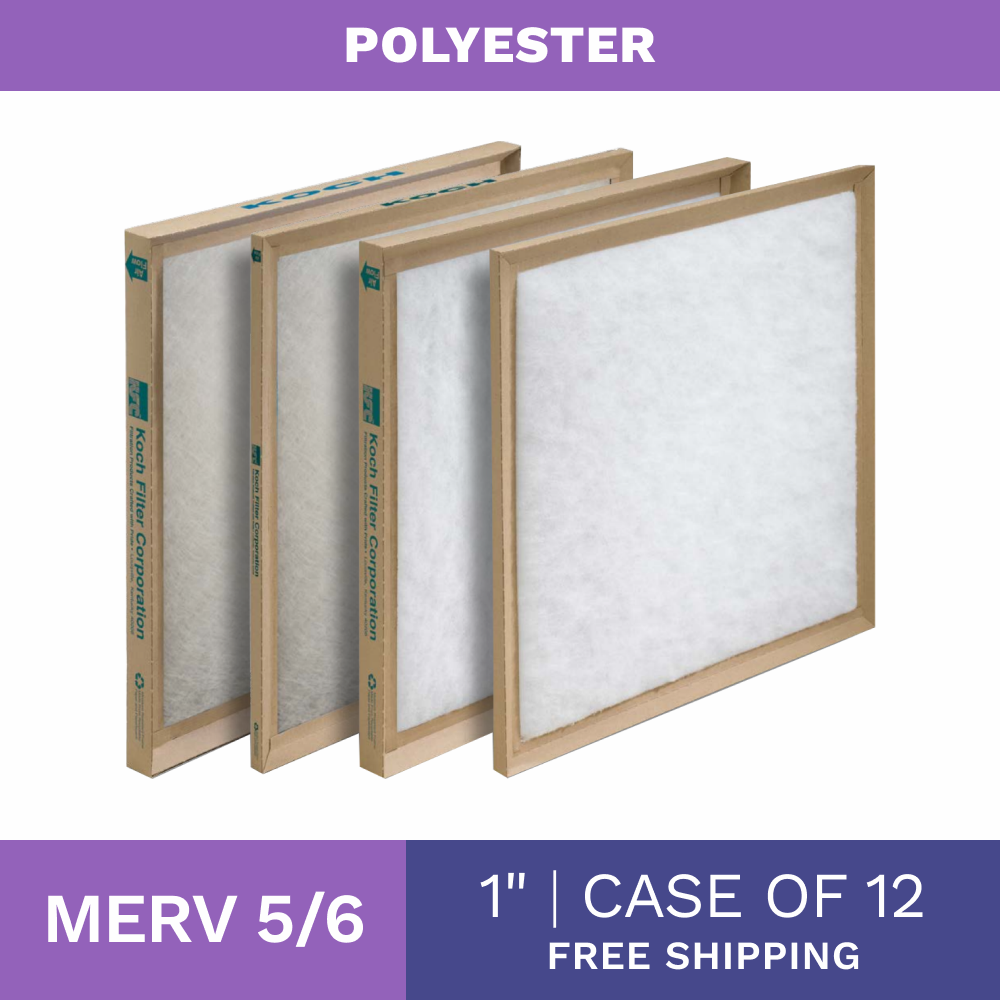
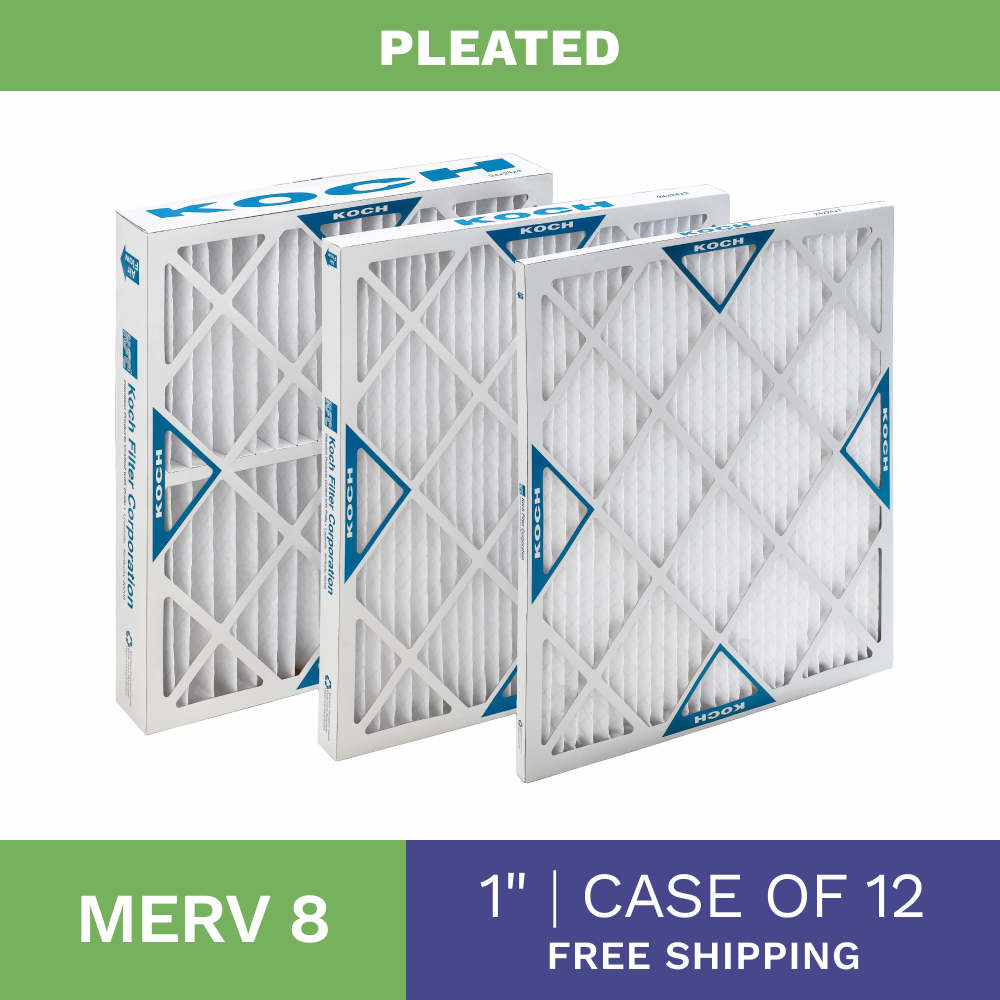
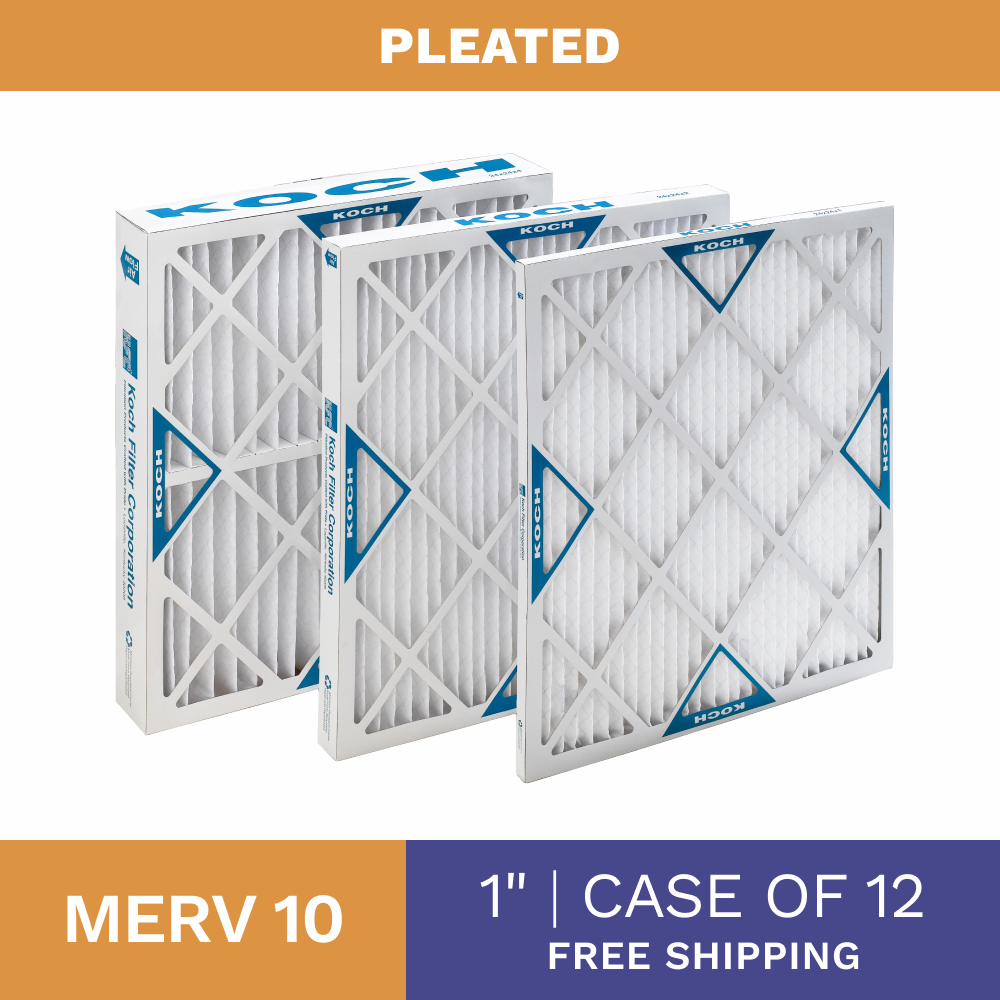
Fiberglass vs. Polyester vs. Pleated AC Filters: Which Should You Buy? Or click on one of the filter types below to shop:
- Fiberglass Air Filters (MERV 3) – Best for airflow and short-term use
- Polyester Air Filters (MERV 5) – Most common in commercial spaces
- Pleated Air Filters (MERV 8+) – Most popular for homes; good balance of cost and performance


Frequently Asked Questions (FAQ’s)
-
How can I tell what size air filter I need?
Check the size printed on your current filter or its packaging. If it’s not listed, measure the filter or the filter slot using length, width, and thickness in inches.
-
Do air filters need to be the exact size?
Air filters do not need to be exact to the fraction of an inch. A slightly smaller filter is usually fine, but a filter that is too large should never be forced into the slot.
-
Can I use a filter that’s slightly smaller?
Yes, in most cases, a slightly smaller filter will still work properly. The key is making sure air can pass through the filter without gaps or restrictions.
-
What happens if I use the wrong size air filter?
Using the wrong size filter can cause air leaks, reduced airflow, or system strain. Over time, this can lower efficiency and increase wear on your HVAC system.
-
Can I use a thicker filter than my old one?
Sometimes, but only if your system is designed for it. Learn about MERV ratings to better understand filtration options before upgrading. The filter slot has a set depth (thickness). If your slot is 1 inch deep, a 2-, 4-, or 5-inch filter will not fit and should not be forced into it. If your slot is deep enough for a thicker filter, it can be a worthwhile upgrade, as thicker filters often last longer and have more surface area. Measure the slot depth first before switching.
Not unless your filter slot is 4 inches deep. Even if the length and width match, the thickness must match the slot depth. A 16x25x4 filter is much thicker than a 1-inch filter and won’t fit in a 1-inch slot. If your system accepts a 4-inch filter, it may work well, but you should confirm by measuring the slot depth or checking your system manual.
About the author:
Charlie Konves is part of the AC Filters 4 Less content team, where he studies common homeowner questions about air filter sizing, MERV ratings, airflow, and replacement timing. His goal is simple: make HVAC filter decisions easier for everyday homeowners.