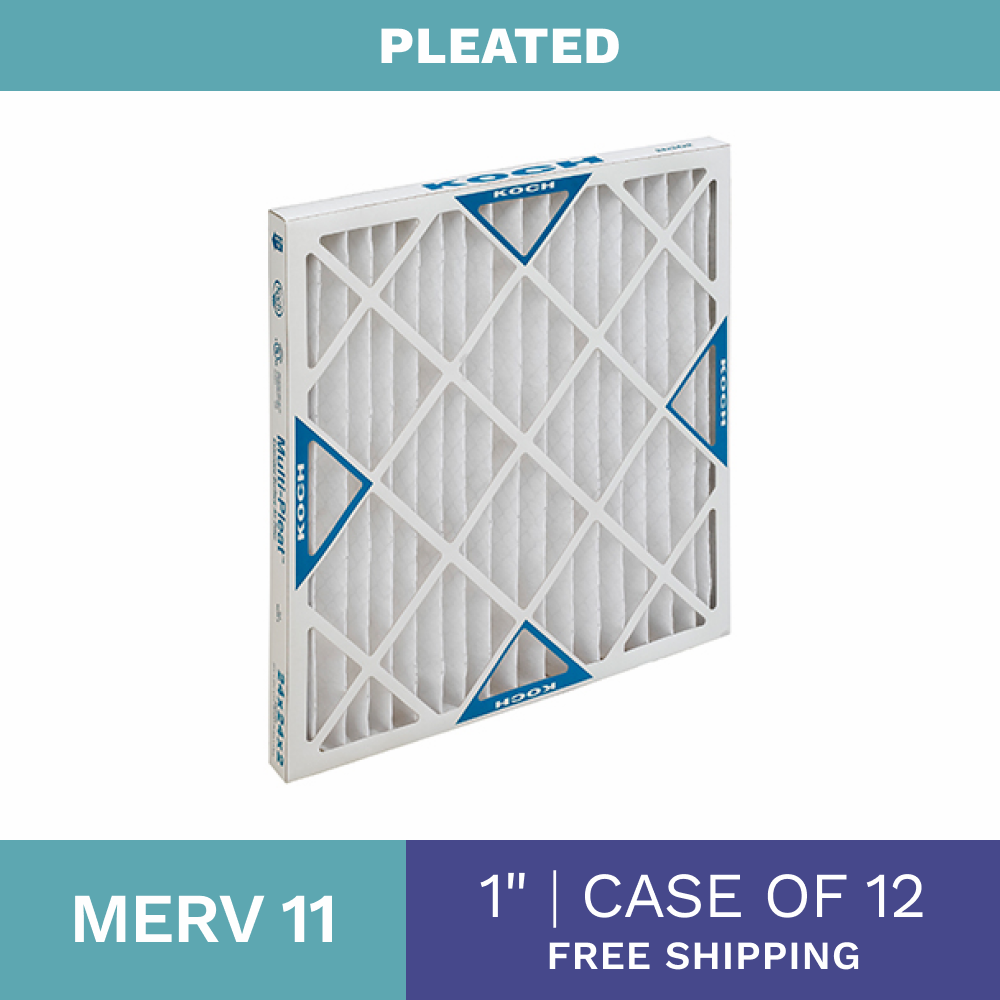
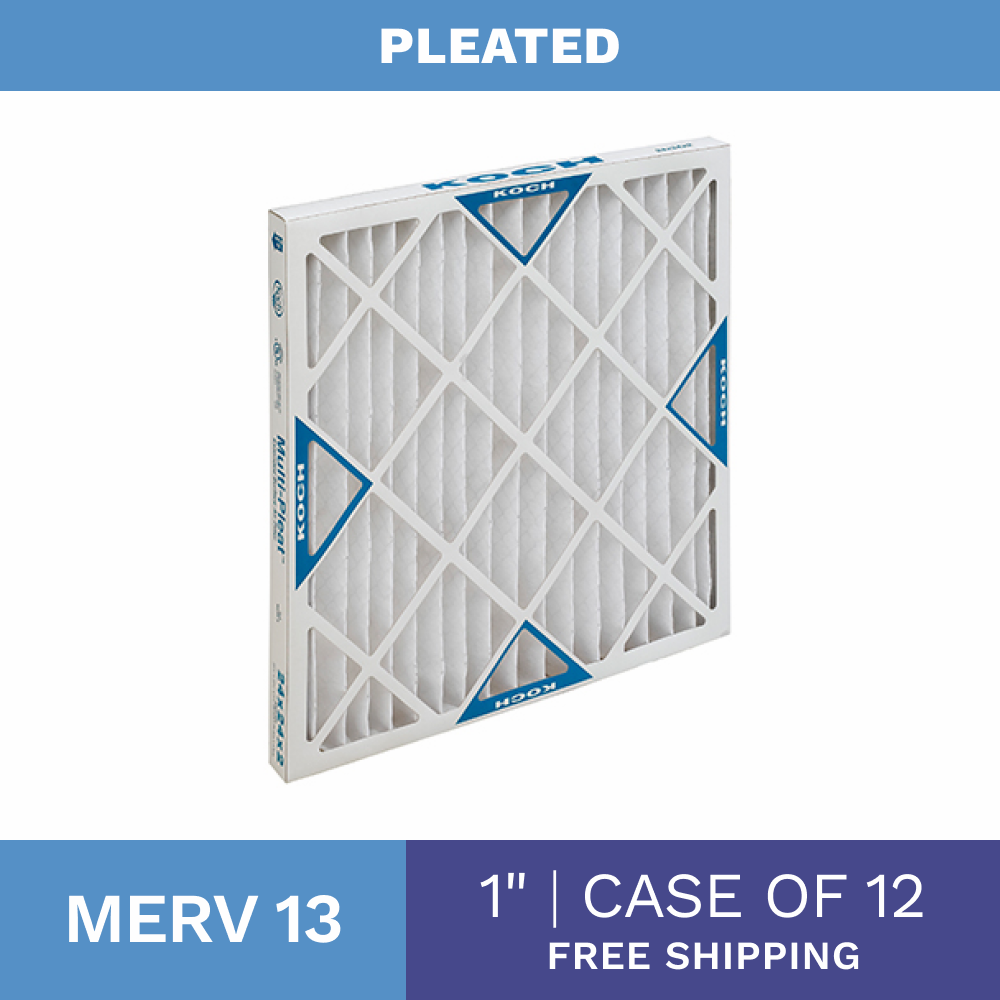
Free Shipping


Choosing the right filter for your home's HVAC system might seem overwhelming, but did you know that nearly all HVAC technicians will recommend MERV 8 filters?
In this guide, we'll explain why MERV 8 filters strike the perfect balance between air quality and system efficiency.
Key Takeaways
- MERV 8 is the sweet spot for most homes - captures allergens without restricting airflow
- Avoid cheap MERV 3 filters - they cost more long term due to frequent replacements and poor filtration.
- Koch MERV 8 filters are recommended - superior quality, made in the USA, with free shipping
- High MERV ratings (9+) can damage residential HVAC systems by restricting airflow
- MERV 8 filters last 60-90 days vs. 30 days for MERV 3, saving money and time
- Professional HVAC techs recommend MERV 8 for optimal system performance and air quality.
- Order Koch MERV 8 filters in bulk - a case of 12 saves you money with free shipping.
What is a MERV rating?
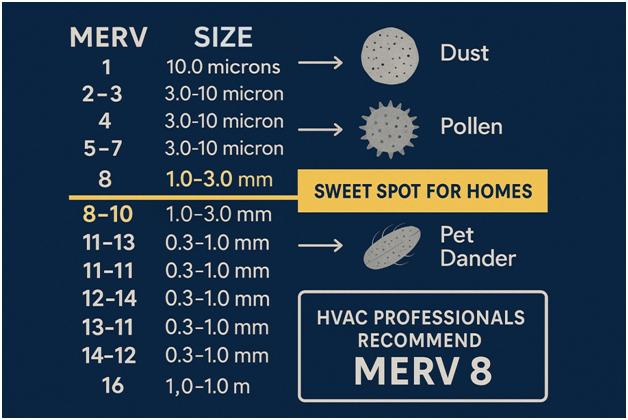
MERV stands for Minimum Efficiency Reporting Value, and it measures a filter's ability to remove particulate matter from the air.
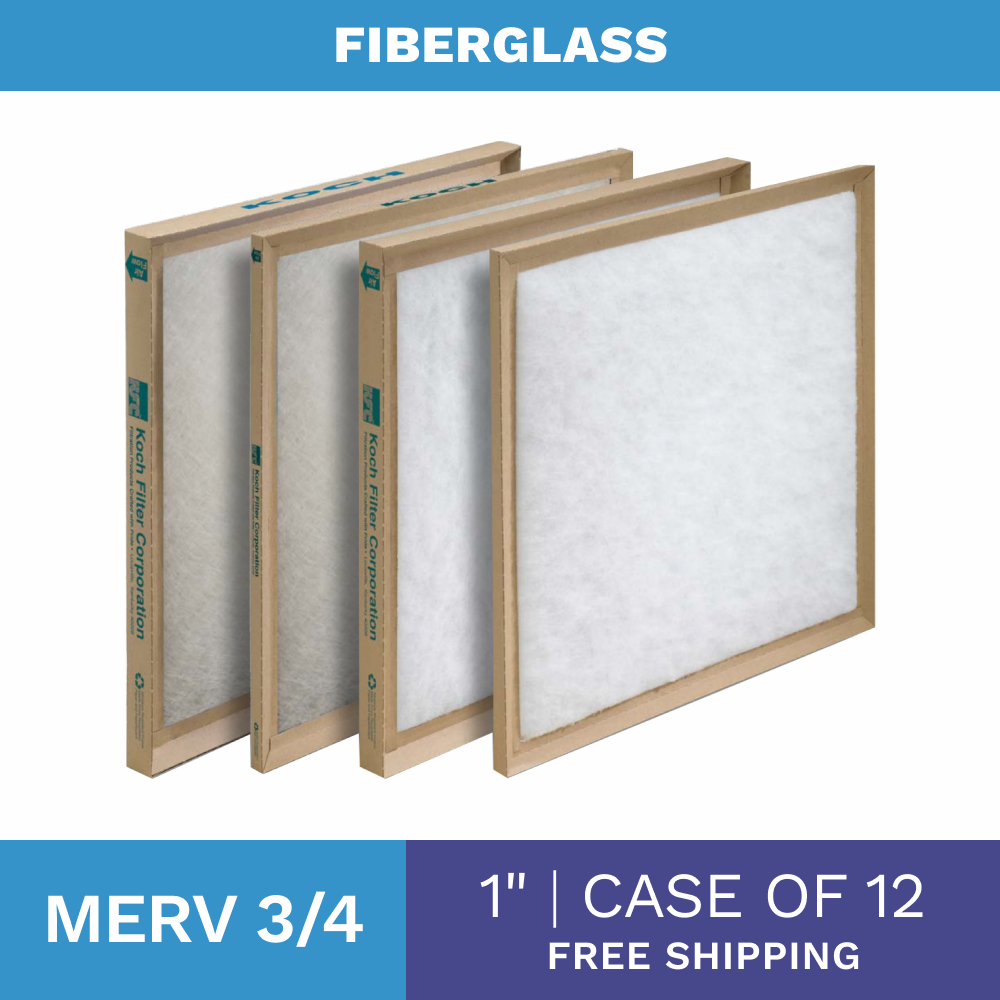
Low MERV filters (ratings 1-4) remove larger particles, such as pollen and dust, from the air. These filters are typically made of flat fiberglass and should be replaced every month. For homeowners on a budget, fiberglass filters will be the most affordable option.
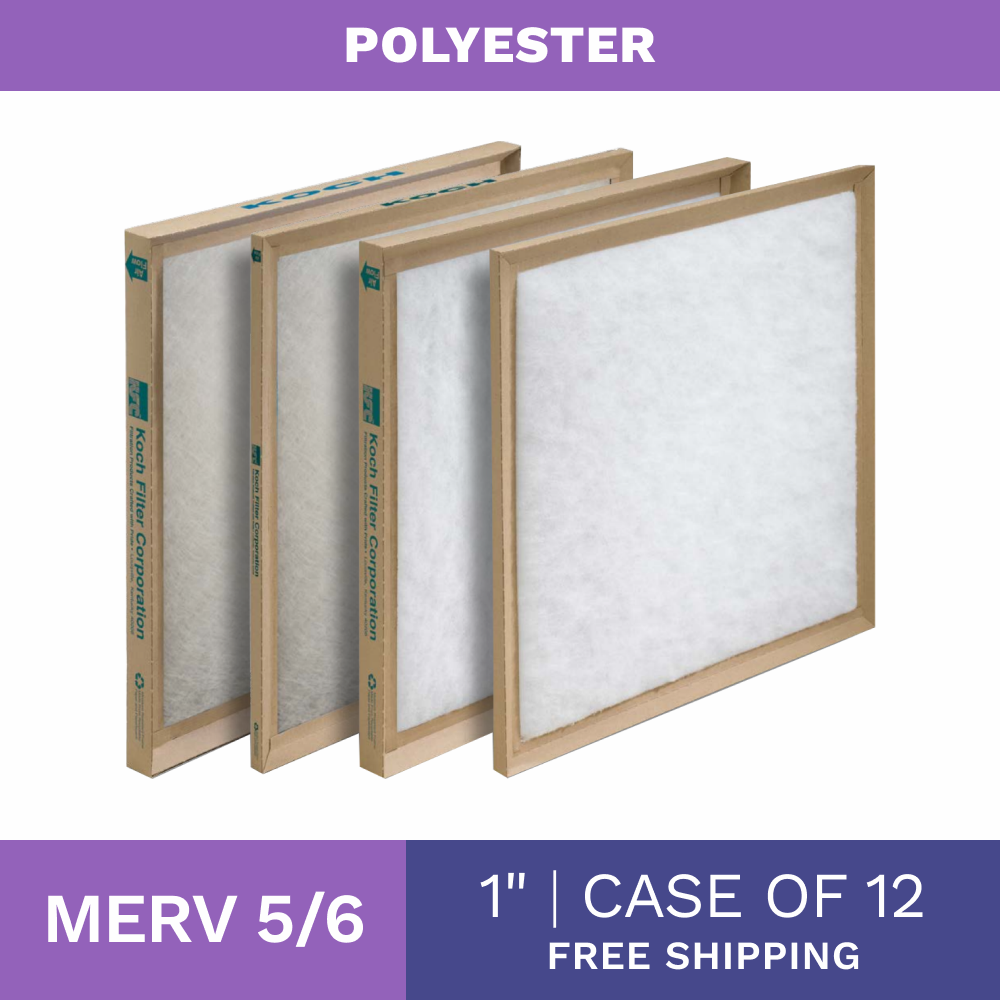
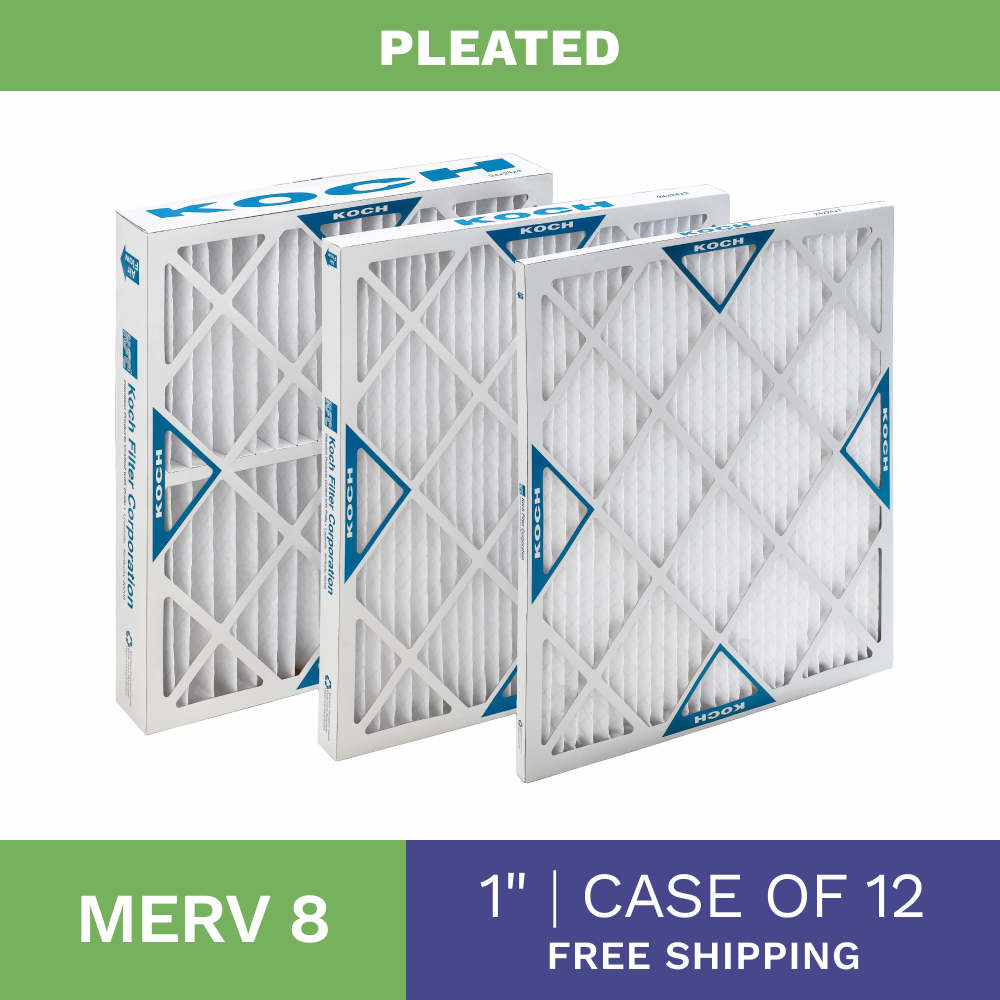
Mid-range MERV filters (ratings 5-8) are the most commonly used filters for residential HVAC systems. These filters are typically pleated, providing them with a larger surface area to trap smaller airborne particles, such as pet dander and mold. They may last longer than fiberglass filters, but should still be checked monthly and changed as needed.
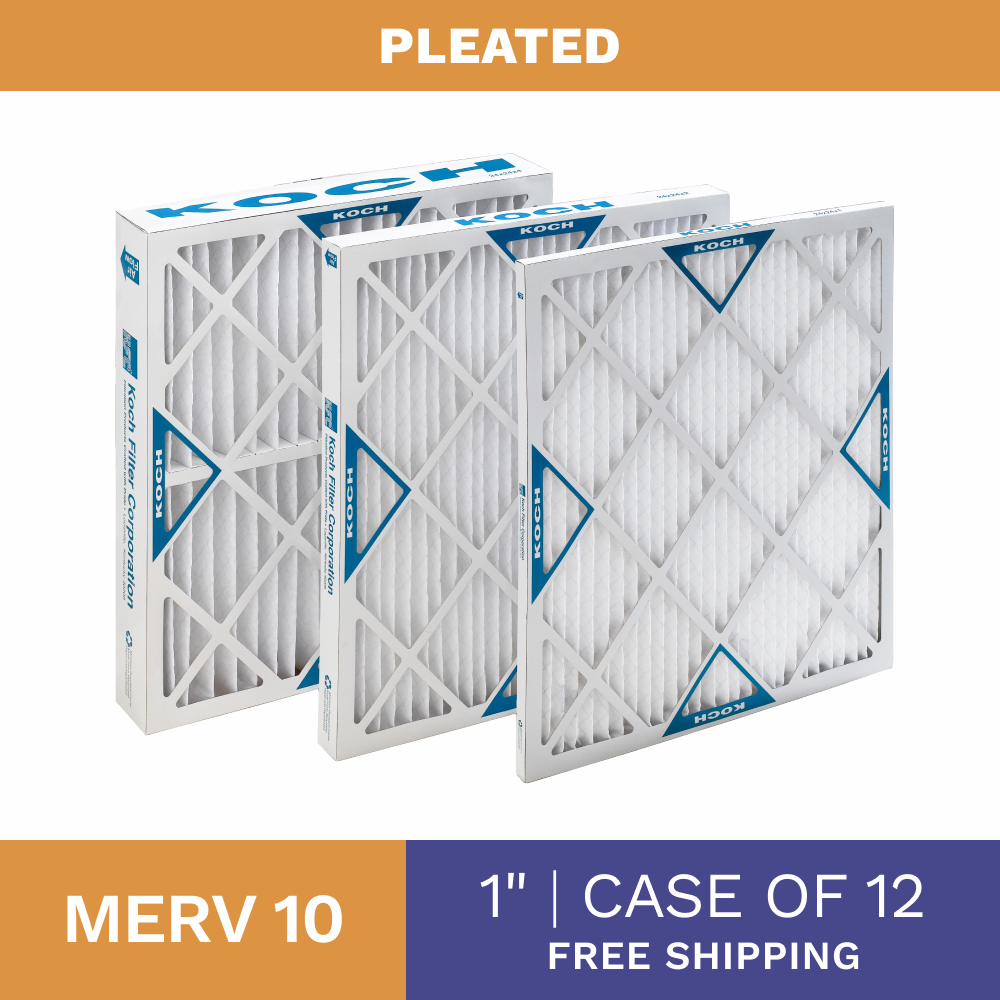
High MERV filters (ratings 9-12) trap even finer particulate matter but can cause airflow restriction in many residential central HVAC systems. These filters are better suited for commercial systems designed to handle denser loads. If you previously used SafeGuard MERV 8 media pads and need a replacement, Cumulus MERV 8 is the closest match by rating.
Higher MERV filters are available but are only suitable for industrial HVAC systems, such as those in hospitals, cleanrooms, and buildings that handle dangerous airborne materials. HEPA filters will trap bacteria, viruses, and even combustion dust, but these filters are not usable for your home's HVAC system.
What's Wrong with High MERV Ratings?
Residential HVAC systems (like the one in your home!) are meant to circulate heated or cooled air through a system of ducts to maintain an even indoor air temperature. They may also be set up to increase ventilation, as is the case with the addition of ERVs and HRVs. The ability to easily move air through the system is a crucial aspect of its functionality. If the system struggles to move air, it loses efficiency and can damage expensive components, such as blower motors, heat exchangers, and even the AC compressor.
For the HVAC system to work as intended, air must move through the filter. High MERV filters are denser (which helps them trap finer particles), but this can mean the system has a difficult time pushing enough air through the filter to circulate it through your home.
What Happens if My Filter's MERV is TOO HIGH?
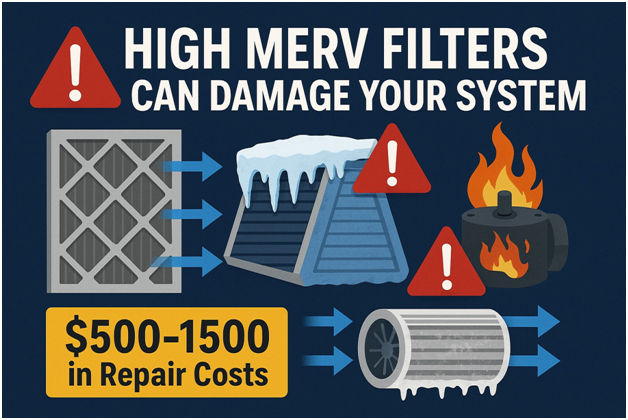
High MERV filters in a residential system can act like a filter clogged with dirt and debris.
In heating mode, the limit switch may trip if the system overheats due to inadequate air intake into the furnace. This will cause uneven heating and an inability to maintain a consistent indoor air temperature. The blower motor (which is responsible for air circulation) may overheat and fail. If high MERV filters are used for an extended period, the heat exchanger may crack, potentially causing a dangerous Carbon Monoxide leak in homes that use natural gas.
In cooling mode, the limit switch may also trip, causing uneven cooling and short cycling. The unit may “freeze up” as the lack of airflow prevents the chemical coolant in your AC from moving through the AC system. If this happens, you may notice ice on the copper lines attached to the unit. If this is happening regularly, the compressor may overheat and fail. The compressor is the heart of the AC system and is often nearly as expensive to repair as a complete AC replacement.
In both cases, you will notice decreased performance, higher utility bills, and shorter system lifespan.
The Job of Your Furnace Filter
When looking for an HVAC filter, you might be tempted to reach for the higher MERV rating that traps small particles like bacteria, dust, and finer particulate pollutants, but that's not the primary job of your filter!
The filter's primary purpose is to prevent airborne dirt, dander, and dust from entering the HVAC system that circulates throughout your home. If you ran your HVAC system without a filter in place, dirt would quickly coat the blower motor, heat exchanger, and evaporator coil, putting excess strain on them and resulting in premature failure.
While your HVAC filter helps reduce some of the airborne pollutants in your home, it was never meant to be your only line of defense. For better indoor air quality, consider replacing high MERV filters with air purification systems designed specifically for that purpose.
Why HVAC Professionals Recommend MERV 8
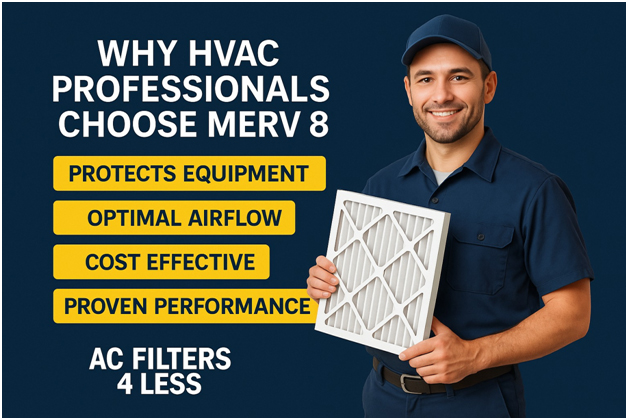
MERV 8 filters are capable of stopping most harmful airborne pollutants without placing undue strain on your HVAC system, making them the most common recommendation among industry professionals. The pleated design of MERV 8 filters gives them a longer lifespan than fiberglass filters, but 1'' HVAC filters should always be checked monthly! A dirty filter can cause just as much system damage as a high MERV filter.
Why Not Use The Least Expensive MERV 3 Filter Possible?
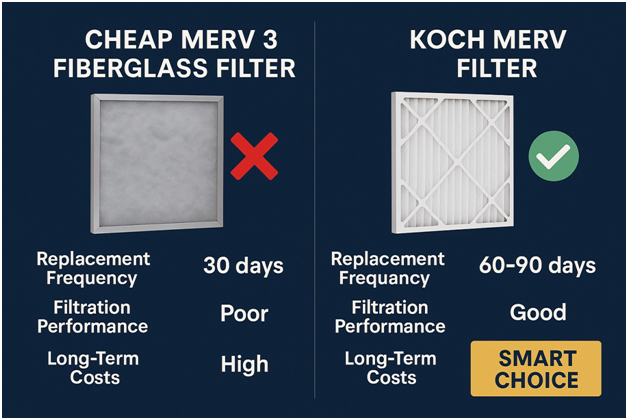
While MERV 3 filters are the most affordable option available, choosing them can actually cost you more money in the long run. Here's why investing in quality MERV 8 filters is the more intelligent financial decision:
More Frequent Replacements: MERV 3 fiberglass filters typically need replacement every 30 days, while quality MERV 8 pleated filters can last 60-90 days. Over a year, you'll need 12 MERV 3 filters versus only 4-6 MERV 8 filters.
Poor Filtration Performance: MERV 3 filters only capture particles larger than 10 microns, missing common household allergens like:
- Pet dander (2.5-10 microns)
- Mold spores (3-12 microns)
- Fine dust particles (0.5-3 microns)
- Pollen fragments (under 10 microns)
Increased HVAC Maintenance: Since MERV 3 filters allow more particles to pass through, your HVAC system's internal components become dirtier more quickly, necessitating more frequent professional cleaning and maintenance.
Health Impact: Poor air filtration can exacerbate allergies, asthma, and respiratory issues, potentially leading to increased medical expenses and a reduced quality of life.
Our Recommended Koch MERV 8 Filters
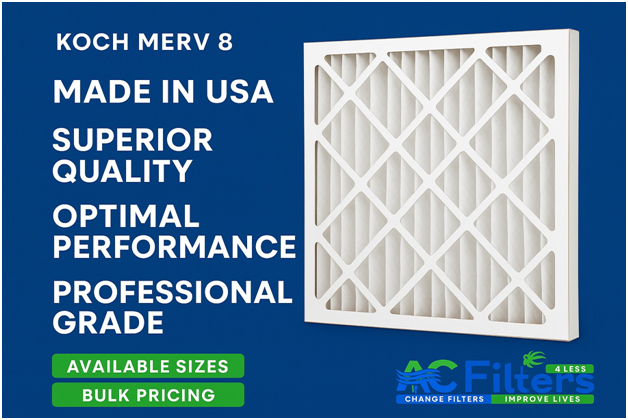
At AC Filters 4 Less, we recommend Koch Multi-Pleat XL8 Surface Pleated Filters for their superior construction and reliable performance. Here's why Koch MERV 8 filters are the smart choice:
Koch MERV 8 Filter Features:
- Premium pleated design for maximum surface area
- Electrostatically charged media for enhanced particle capture
- Moisture-resistant construction for humid climates like Florida
- Precise sizing (actual size 19-1/2" x 19-1/2" x 3/4" for 20x20x1 nominal)
- Made in USA quality you can trust
Popular Koch MERV 8 Sizes Available:
- 20x20x1 Koch MERV 8 Filters
- 16x25x1 Koch MERV 8 Filters
- 16x20x1 Koch MERV 8 Filters
- Custom sizes available
Why Choose Koch Over Generic Brands?
- Consistent quality control ensures reliable performance.
- Superior pleat stability prevents filter collapse
- Enhanced dust-holding capacity extends filter life
- Rigorous testing meets ASHRAE standards
- Bulk pricing saves you money with case quantities
Frequently Asked Questions About MERV 8 Filters
How Often Should I Change My MERV 8 Filter?
Check your MERV 8 filter monthly and replace it when it appears dirty or after a maximum of 90 days. Homes with pets or high dust levels may need more frequent changes.
What Size MERV 8 Filter Do I Need?
Check your current filter or HVAC system manual for the exact dimensions. Common sizes include 16x20x1, 20x20x1, and 16x25x1. Find your filter size here.
If you're unsure which size you need, read our guide on what size air filter you need.
Where Can I Buy Quality MERV 8 Filters?
AC Filters 4 Less offers premium MERV 8 filters in all standard sizes with free shipping and bulk discounts available.
Take Action: Check Your Filter Today
If you haven't checked your HVAC filter yet this month, here's your reminder to do so and ensure you have a sufficient supply of new filters on hand.
Ready to upgrade to MERV 8 filters? Shop our selection of MERV 8 filters or contact our experts for personalized recommendations.