Free Shipping


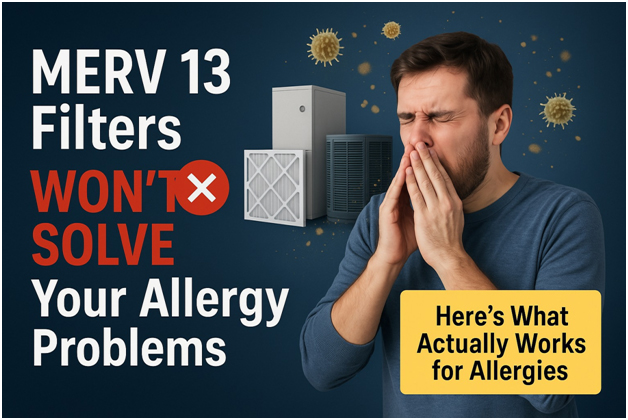
Short answer: a MERV 13 filter usually will not solve your allergies, and in many homes it does more harm than good. A rating that high can choke airflow and strain an HVAC system that was not built for it. For most homes, a quality MERV 8 pleated filter changed on schedule, plus a few simple habits, does more for allergy relief than jumping to MERV 13. Here is why, and what actually works.
Key Takeaways
- MERV 13 filters can damage residential HVAC systems by restricting airflow and causing expensive repairs
- MERV 8 filters are the sweet spot - they capture most allergens without straining your system
- Whole-home air purification systems are far more effective than high-MERV filters for severe allergies
- Simple home improvements like upgrading to pleated filters and frequent vacuuming help more than you think
- Professional duct cleaning is usually unnecessary unless dealing with mold or damage
- UV light air purifiers combined with proper filtration provide the best allergy relief
- Your HVAC filter's main job is protecting the system, not solving allergy problems
The MERV 13 Misconception: Why "Higher" Isn't Always Better
Many homeowners assume that higher MERV ratings automatically mean better air quality. This leads to the common mistake of installing MERV 13 filters in residential HVAC systems designed for much lower resistance.
What MERV 13 Filters Actually Do
MERV 13 filters can capture particles as small as 0.3 microns, including:
- Bacteria and some viruses
- Smoke particles
- Fine dust
- Cooking oil particles
- Smog
While this sounds impressive, residential HVAC systems aren't designed to handle the airflow restriction these dense filters create.
If you do decide MERV 13 is right for your home, you can find it among our 20x20x1 MERV 13 filters alongside the lower MERV options, so you can weigh the tradeoff yourself.
The Hidden Costs of MERV 13 Filters
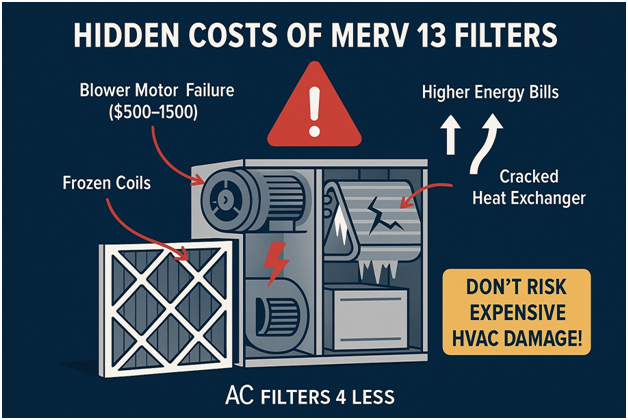
System Damage: High-efficiency filters force your HVAC system to work harder, potentially causing:
- Blower motor failure
- Heat exchanger cracks
- Frozen evaporator coils
- Compressor damage
Higher Energy Bills: Restricted airflow reduces your system's efficiency, resulting in increased monthly energy costs of 15-25%.
Frequent Filter Changes: MERV 13 filters clog more quickly in residential systems, necessitating replacement every 30-45 days, rather than the typical 90 days.
Expensive Repairs: The average cost to replace a damaged blower motor ranges from $500 to $1,500, far exceeding any potential air quality benefits.
How Your HVAC Filter Actually Works
A filter in a central HVAC system is attached to the return air duct, where it stops particulate matter from entering the furnace (or air handler) and causing damage to the system. The main job of your HVAC filter is to protect the system itself, but it does filter out many airborne pollutants from your home.
While central HVAC systems are the most effective way to maintain a consistent indoor air temperature, they do create more dirt and dust than "cleaner" heat sources like boilers and radiators. This is not to say homes with central HVAC systems are "dirtier" but the continuous air circulation does move more dirt, dust and dander around. Changing the filter regularly helps mitigate some of this.
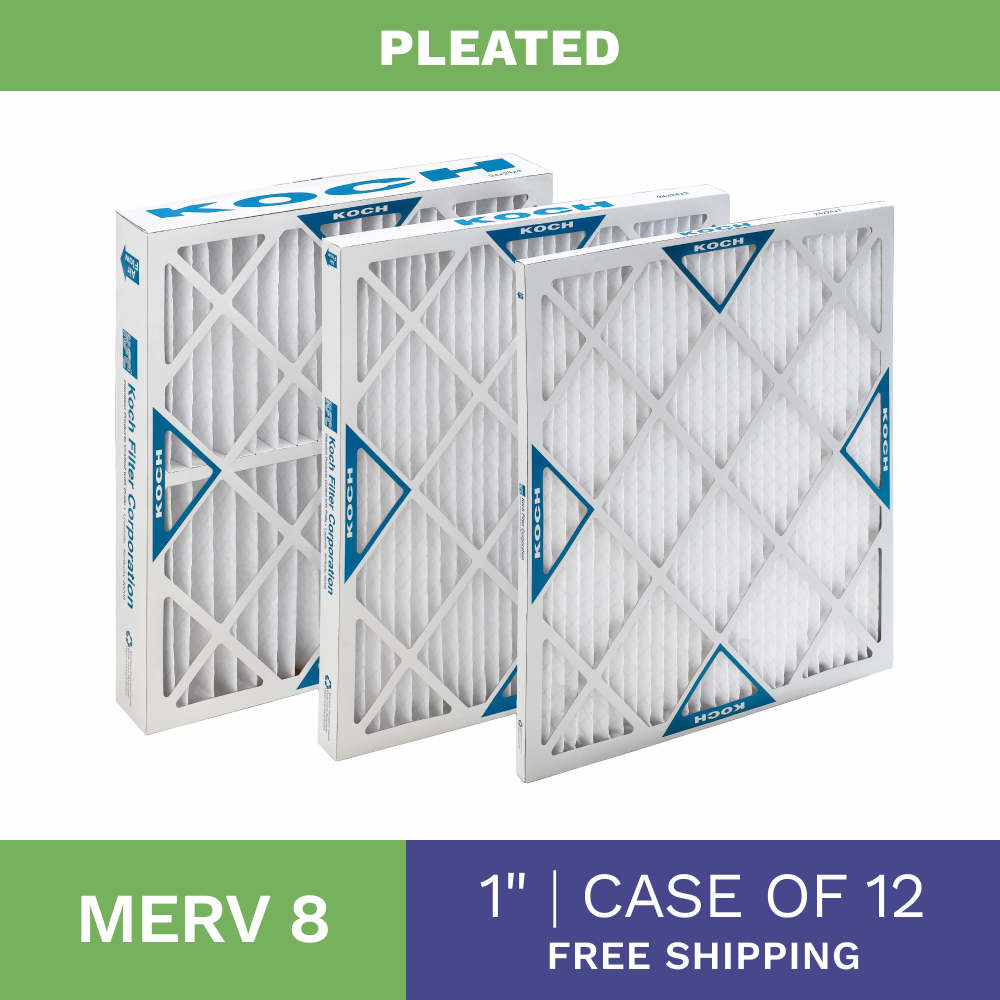
Pro Tip: Choose a filter with an MERV 8 rating. MERV (Minimum Efficiency Reporting Value) measures a filter's ability to trap particulate matter. Lower MERV rated filters trap only large particles, while higher MERV rated filters trap finer particles. Unfortunately, high MERV ratings can cause issues with airflow in residential systems, potentially leading to system damage and expensive repairs. MERV 8 filters trap most problem pollutants without creating strain on your HVAC system.
What Allergens Can Your HVAC Filter Trap?
A mid-range MERV filter will remove common allergens, such as: dust, pollen, pet dander and mold.
What Can You Do to Reduce Allergens in Your Home?
Here are a few steps you can take to alleviate some allergy symptoms before looking into professional-grade air purification systems.
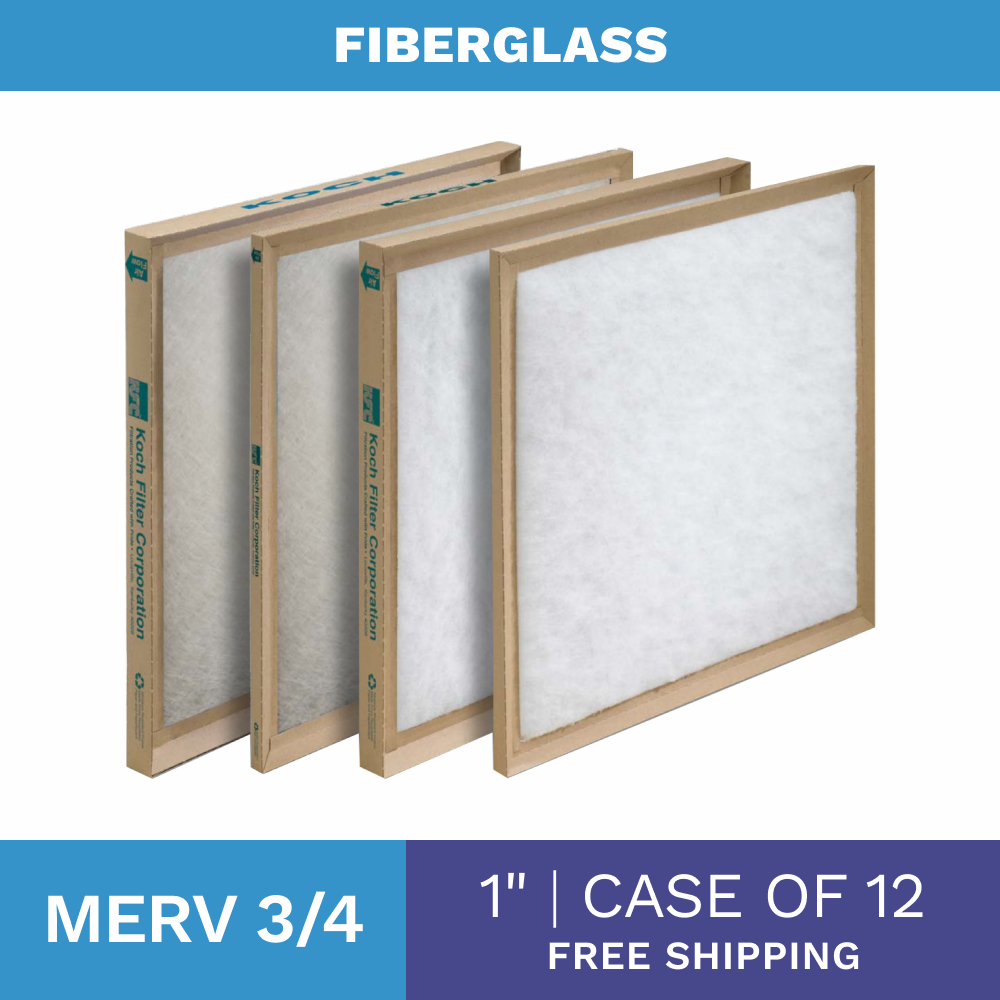
- If you're using a fiberglass filter, try upgrading to a pleated design. Fiberglass filters have a lower MERV rating and only stop the largest particles. While they will capture most pollen and dust, pet dander and mold spores can sneak right through.
- Vacuum carpets more frequently. Carpeting is notorious for trapping pollutants that get churned up with foot traffic. With a central HVAC system, these will end up in your air without regular cleaning.
- Clean and disinfect return and supply grills. These grills are how your HVAC system distributes and recirculates indoor air, and they can become quite dirty. Luckily, these grills are removable and can be vacuumed out or even washed in the sink before reinstalling. Most return air grills are mounted to the wall or ceiling with two screws. Most supply grills can simply be pulled up from the floor. When you have the grills out, it's a good idea to vacuum as far down the vent as you can.
Should You Schedule a Duct Cleaning?
Unless you are dealing with mold, damaged ductwork or working on a remodel, duct cleaning is not usually necessary. If you've never had your ducts cleaned, they most likely do have some dirt in there, but most of this dirt adheres to the duct surface, which means it won't affect the air coming out of the supply vents.
If you schedule a duct cleaning, we recommend using a licensed HVAC professional for the service. Be cautious of any company that promotes regular duct cleanings. These companies often offer cheaper services, but they lack the professional-grade equipment necessary to remove the dirt and dust buildup inside.
The Smart Approach to Allergy Management
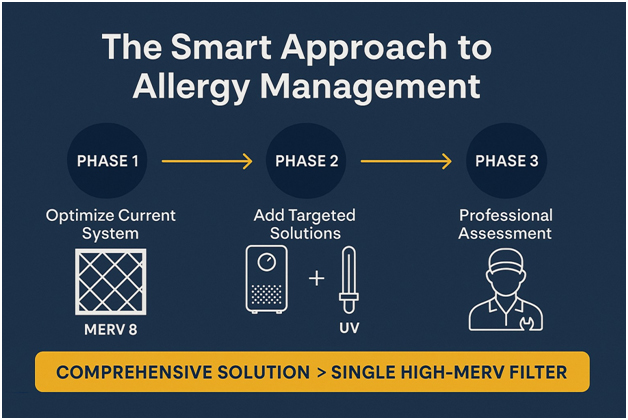
Rather than trying to solve allergy problems with a single high-MERV filter, take a comprehensive approach:
Phase 1: Optimize Your Current System
- Install quality MERV 8 pleated filters in the correct size for your system.
- Change filters every 60-90 days
- Clean return/supply grills monthly
- Vacuum carpets 2-3 times per week during allergy season
Phase 2: Add Targeted Solutions
- Consider a whole-home air purifier for severe allergies
- Install UV light systems for biological contaminants
- Use portable air purifiers in bedrooms
- Maintain proper humidity levels (30-50%)
Phase 3: Professional Assessment
- Have HVAC system inspected annually
- Consider indoor air quality testing
- Evaluate need for additional ventilation
Why MERV 8 is the Professional's Choice
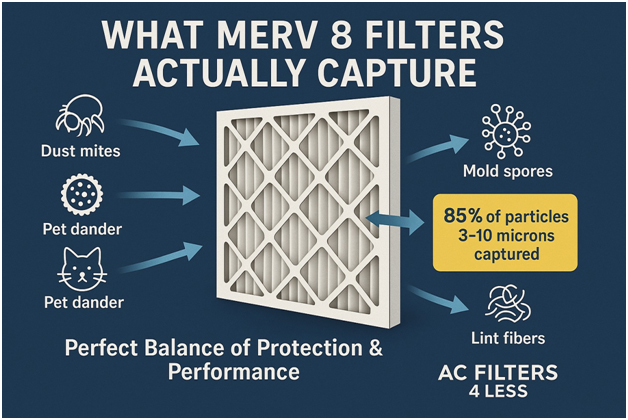
MERV 8 filters trap most problem pollutants without creating strain on your HVAC system. This rating represents the optimal balance between air cleaning and system protection.
What MERV 8 Filters Capture:
- Dust and dust mites
- Pollen (including ragweed and grass)
- Pet dander
- Mold spores
- Lint and fabric fibers
MERV 8 vs MERV 13 Comparison:
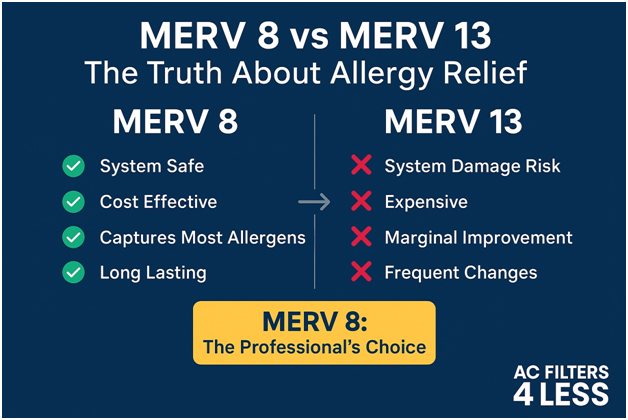
| Factor | MERV 8 | MERV 13 |
|---|---|---|
| System Compatibility | ✅ Perfect for residential | ❌ Can damage residential systems |
| Airflow Restriction | ✅ Minimal | ❌ Significant |
| Filter Lifespan | ✅ 60-90 days | ❌ 30-45 days |
| Energy Efficiency | ✅ Maintains efficiency | ❌ Reduces efficiency |
| Cost Effectiveness | ✅ $6-8 per filter | ❌ $15-25 per filter |
| Allergy Relief | ✅ Captures most allergens | ⚠️ Marginal improvement |
💡 Ready to make the switch? Don't risk expensive HVAC repairs with MERV 13 filters. Order Koch MERV 8 filters now and get free shipping plus expert support. Your system (and wallet) will thank you.
MERV 13 & Allergies: FAQ
They trap finer particles on paper, but in a typical home the airflow restriction often cancels out the benefit and can strain your system. A MERV 8 pleated filter plus good habits usually helps more.
It can. Most residential systems are designed for lower-resistance filters. A MERV 13 can reduce airflow, make the blower work harder, raise energy bills, and shorten equipment life if the system was not built for it.
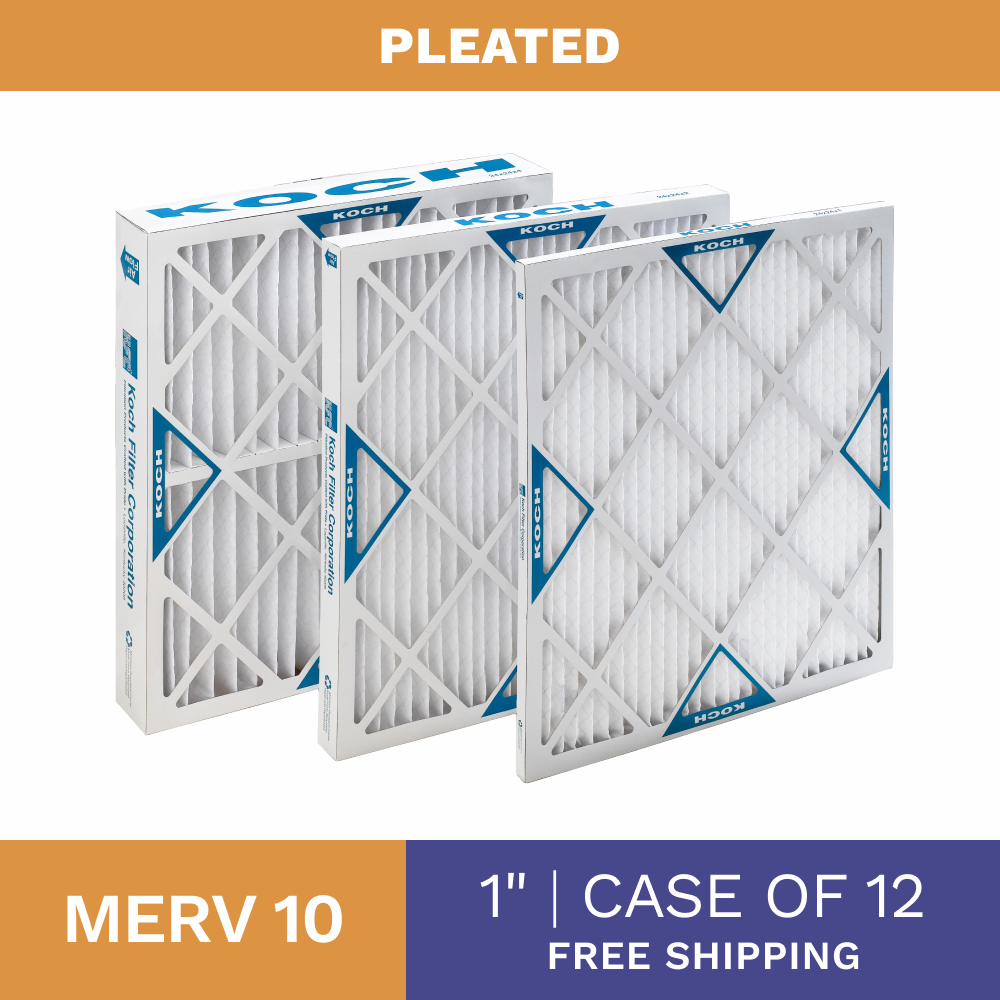
For most homes, MERV 8 to MERV 11 is the sweet spot. It captures dust, pollen, dander, and mold without choking airflow. Go higher only if your HVAC system is rated for it.
Change to a quality pleated filter on schedule, vacuum with a HEPA vacuum, wash bedding often, clean your return grilles, and add a portable HEPA air purifier in the bedroom. Those do more than a higher furnace filter.
Every 60 to 90 days for a pleated 1-inch filter, and closer to every 30 to 45 days during allergy season or with pets. A dirty filter makes allergies worse.
Usually not as a first step. Start with the right filter and habits. If allergies persist, a targeted portable HEPA purifier or a professional assessment is the smarter next move.
Take Action: The Right Way to Address Allergies
Stop trying to solve allergy problems with the wrong tool. High-MERV filters, such as MERV 13, can damage your system while providing minimal additional benefits over properly chosen MERV 8 filters.