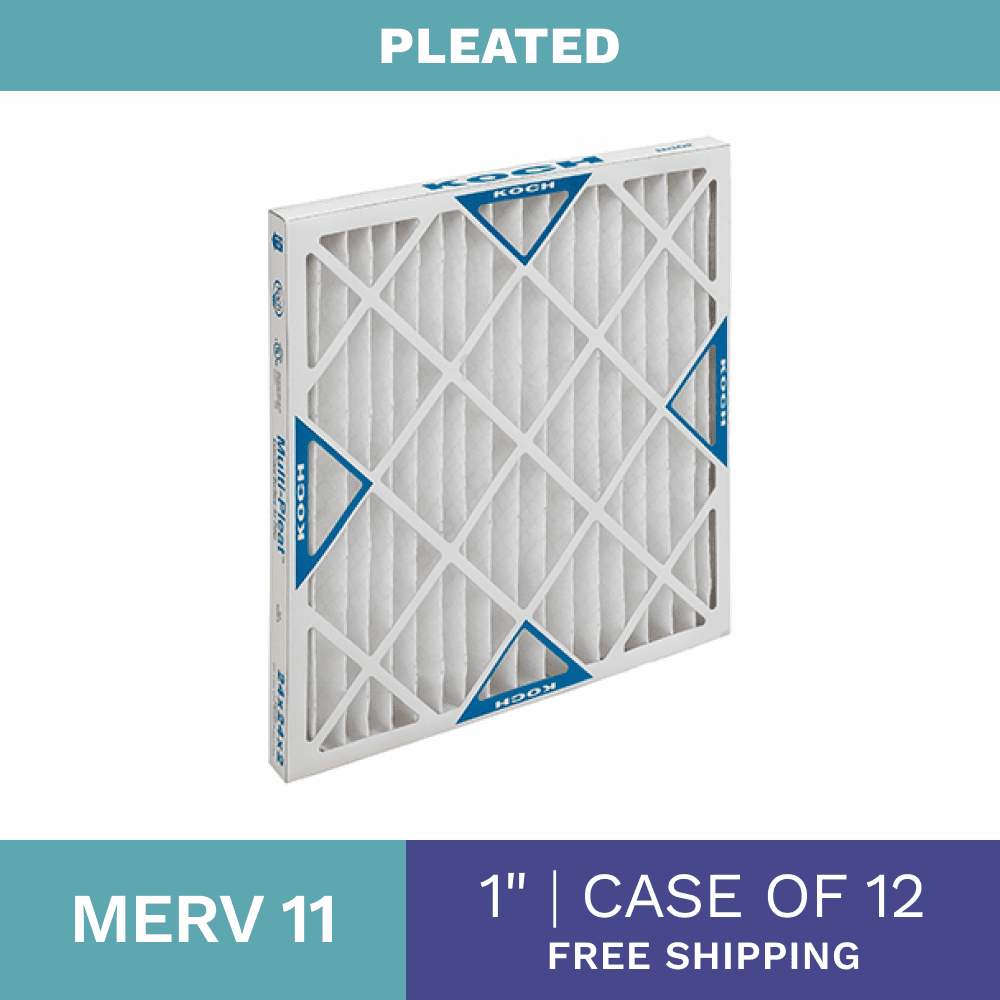
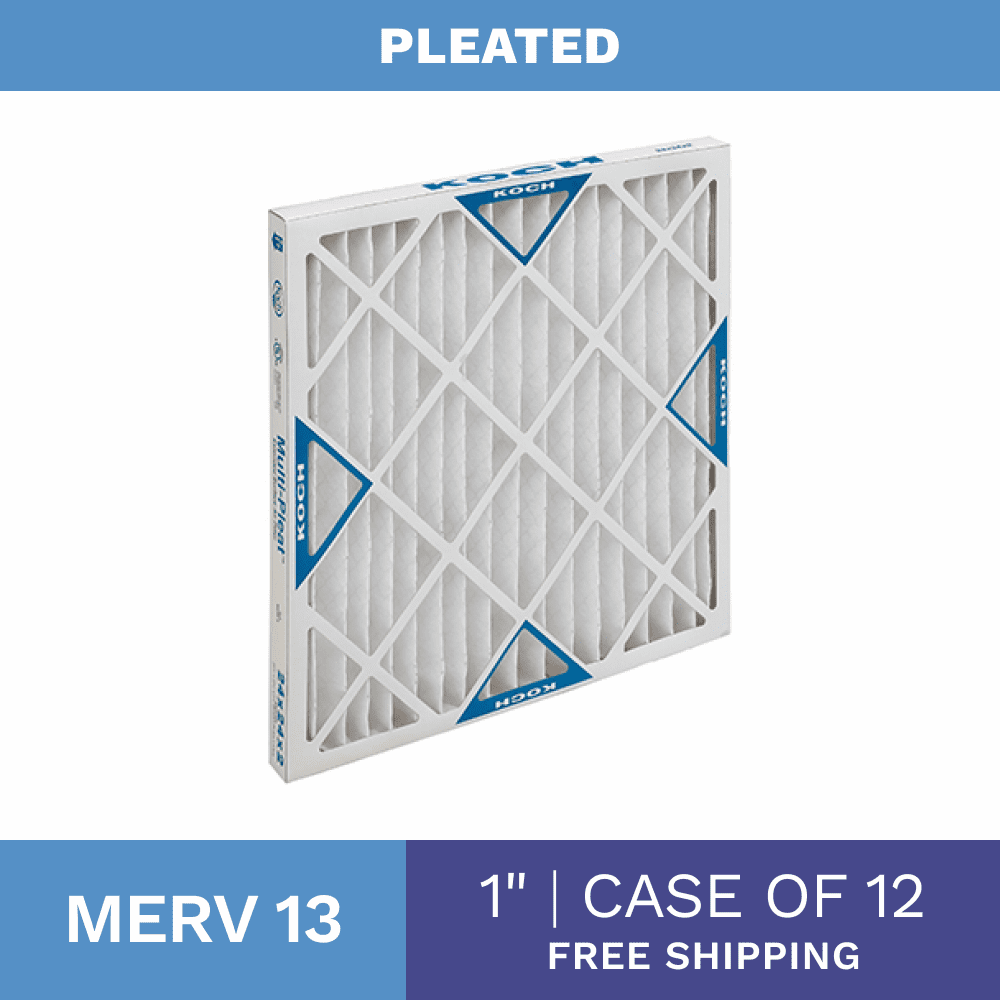
Free Shipping


The Ultimate Guide to AC Filters: Types, Ratings, Maintenance, and Buying Tips
Furnace filters protect your home’s HVAC equipment while reducing airborne dust, dirt, and dander. A good quality air filter will increase the longevity of both your furnace and air conditioner, but the most expensive option might not be the best one. Numerous factors can affect filter performance, and we will cover all of these.
Use this comprehensive guide to compare the different available filtration options and choose the best one for your home.
What is an AC Filter and How Does It Work?
HVAC filters, sometimes simply referred to as furnace filters or AC filters, are rectangular filtration devices that prevent dirt, dust, and dander from entering the HVAC system.
HVAC filters are most commonly found in ducted, central air systems, but are also used in mobile homes and mini-splits. Home heating, ventilation, and air conditioning systems use fans to circulate and distribute temperature-treated air to indoor spaces. While this is the most effective form of home heating and cooling, it also generates and circulates numerous airborne contaminants throughout the home. HVAC filters work like a net to capture these airborne contaminants and allergens.
Understanding AC Filters
AC filters consist of materials such as pleated cloth, fiberglass, or dense paper stretched across a frame. This air filter captures the undesirable particles while allowing clean air to move through.
What do AC filters trap?
- Dust and dirt from everyday activities, such as sweeping or opening windows.
- Pollen, mold spores, pet dander, and other allergens.
- Tiny irritants like bacteria, smoke particles, and lint.
AC Filter Types & Comparison Guide
Finding the best HVAC filter is about finding the best all-around functionality, cost, and performance for your home. What works great for one home might be a poor choice for another. Let’s take a look at the different types of AC filters available for purchase.
Understanding MERV Ratings

Before discussing filter types, it’s essential to understand MERV ratings (Minimum Efficiency Reporting Value). This scale ranges from 1 to 16 and indicates a filter’s capacity to catch particles. Lower MERV ratings (1–4) stop larger particles (like dust and dander) while higher ratings (13–16) can trap microscopic threats.
Most HVAC professionals recommend MERV 8 filters as the optimal balance of filtration and system protection. Higher ratings may cause airflow restrictions in modern variable-speed systems, which allow for adequate filtration without straining the system. If the MERV rating is too high for the HVAC system, it can cause excess strain, reduced efficiency, and may even lead to the system overheating.
Pro Tip: If you have a traditional central HVAC system with a 1" filter, stick with a mid-range MERV rating. If you are looking to stop smaller particles, consider installing a wider filter boot that can accommodate a 4" or 5" filter.
Fiberglass Filters - The Entry-Level Option
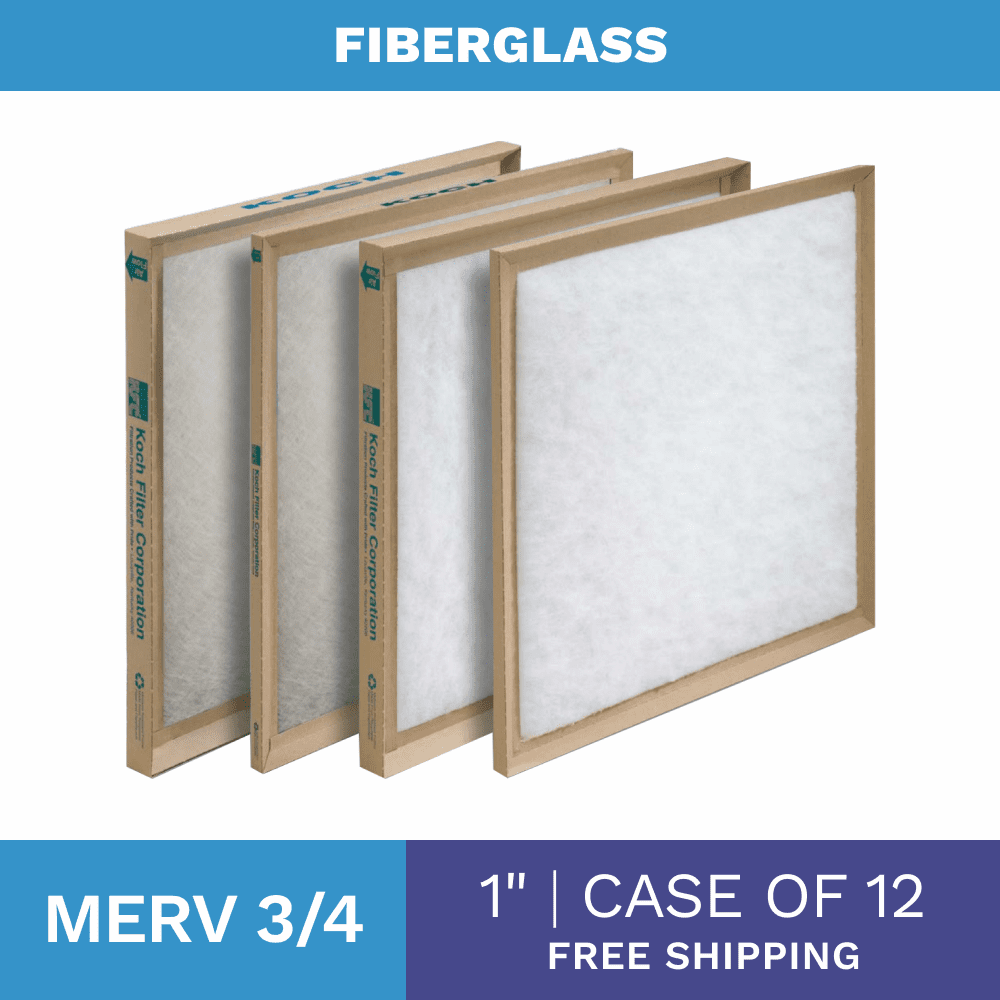
Fiberglass filters are a good economic option for many homes. Made of many strands of layered fiberglass, they provide a rudimentary barrier against larger debris, such as dust and lint. These filters will need to be replaced every 30 days and are optimal in homes without pets, minimal carpeting, and few allergy concerns. Lower MERV ratings (1–4) mean they skip smaller particles like pollen or pet dander. These filters will protect your HVAC system, but won’t do much to improve indoor air quality.
Pleated Filters - The All-Around Upgrade
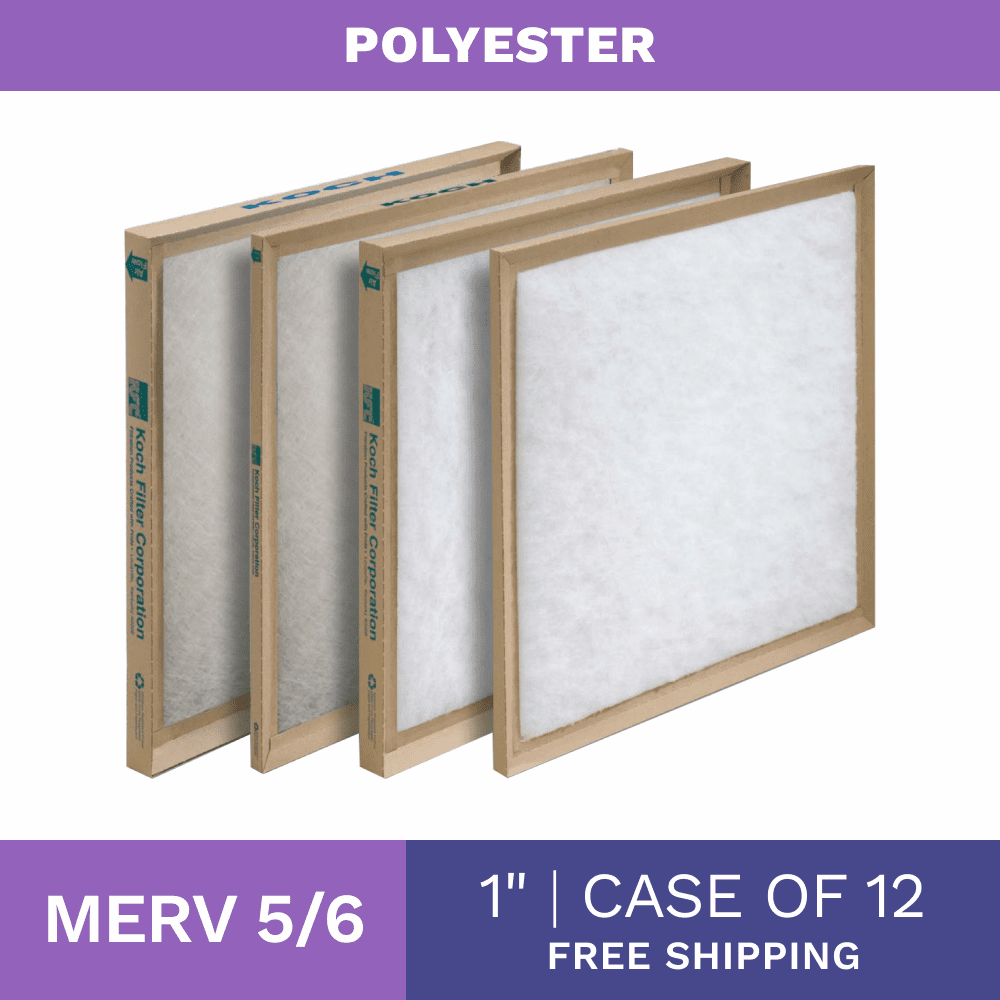
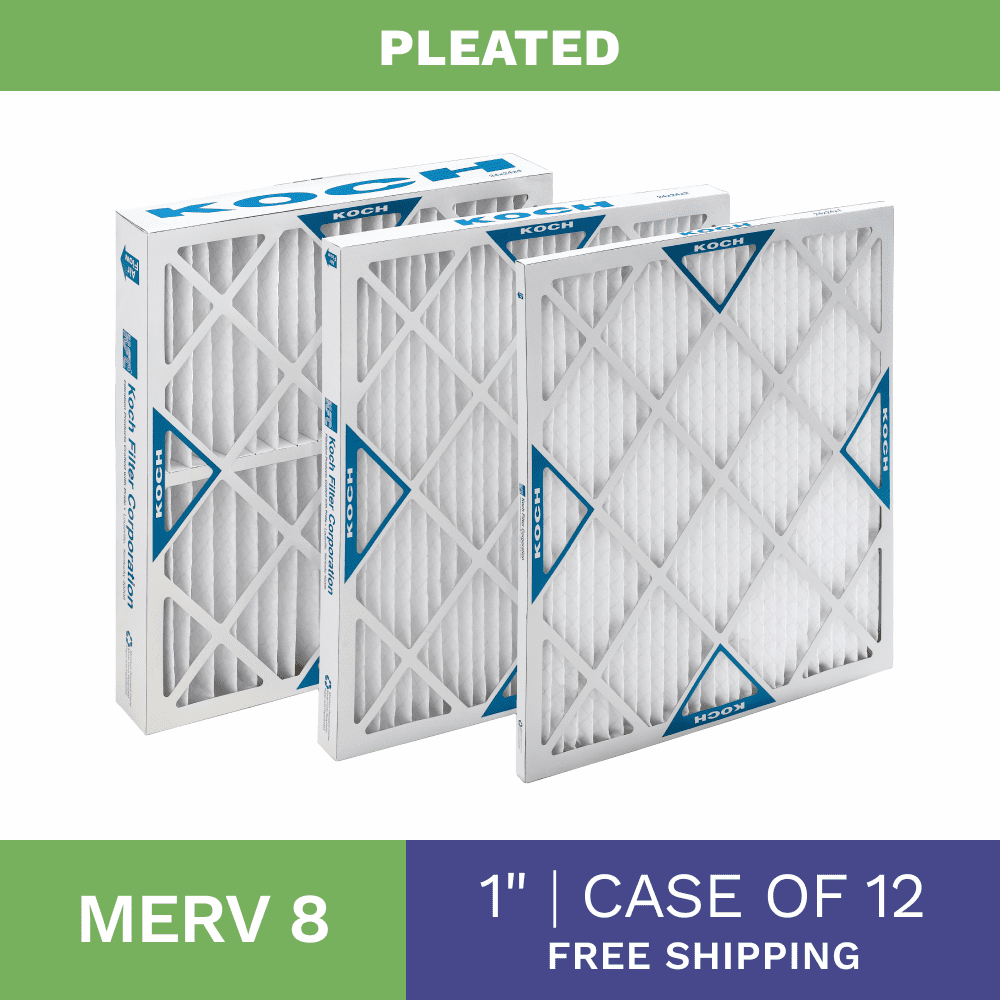
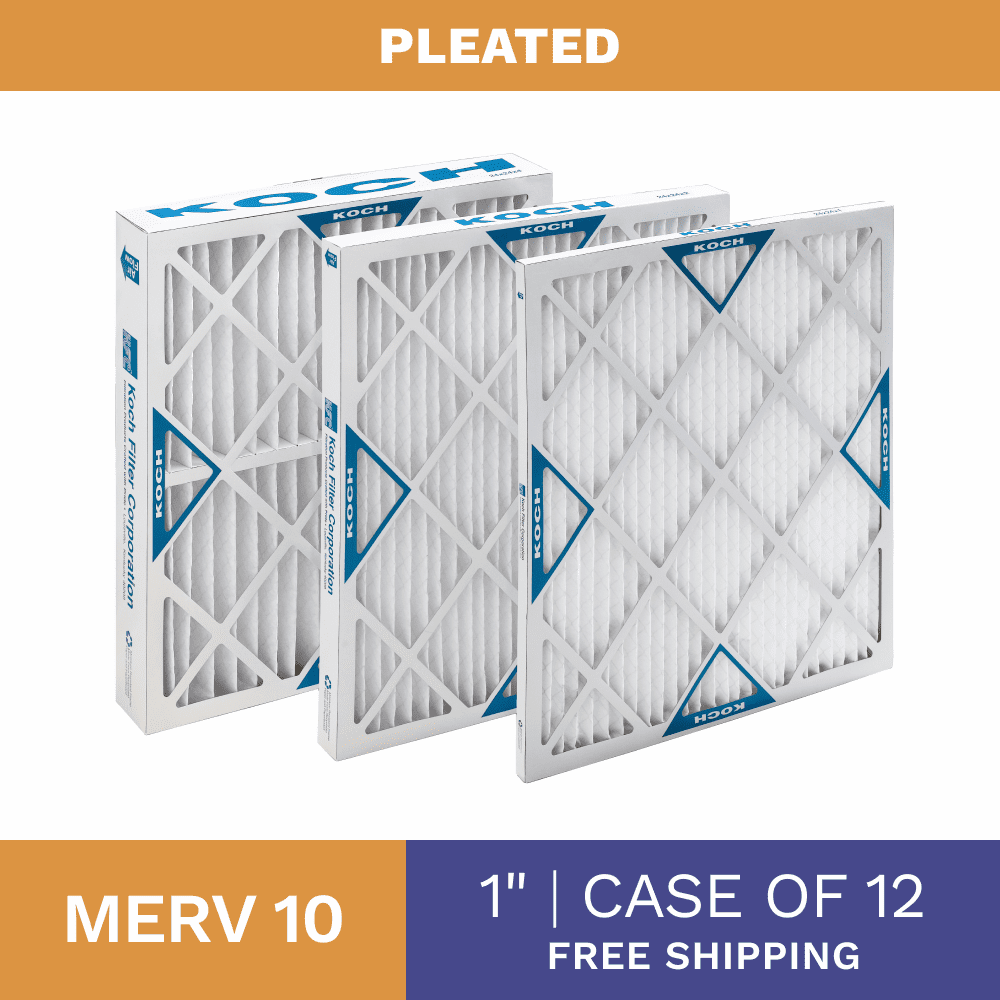
Pleated filters rely on folded polyester or cotton material to provide a larger surface to trap dirt and dust, capturing up to 40% more particles than the average fiberglass filter. Most pleated filters have MERV ratings between 5–13 and trap smaller allergens, such as pet dander and mold spores. These filters are best for households with mild allergies or moderate amounts of pet hair.
Reminder: Important: Pleated filters above MERV 8 can restrict airflow in modern HVAC systems, particularly variable-speed motors. For most homes, MERV 8 provides optimal filtration without system risk.
HEPA Filters - The Allergy Warrior
HEPA (High-Efficiency Particulate Air) filters are the gold standard in air purity, capturing 99.97 percent of particles as small as 0.3 microns, including viruses and smoke particles. These filters typically need to be professionally installed and require a matching HVAC system. Initial precision filtration devices are costly, but their longevity and effectiveness make them a great choice for those suffering from allergies or respiratory concerns.
Limitation: HEPA filters alone aren’t a magic bullet. They’re frequently used alongside UV lights or pre-filters to combat odors and prolong longevity.
UV Light Filters - The Germ Killer
UV filters use ultraviolet light to neutralize bacteria, viruses, and mold spores. Unlike physical air filters, they do not trap particles but rather disinfect the air. These work well in homes or hospitals with immunocompromised residents.
Catch: UV filters don’t kill dust or allergens and must be combined with pleated or HEPA filters. They also require bulb replacements every year and professional installation.
Electrostatic Filters - The Static Magnet
Using self-charging cotton or paper fibers, this type of filter attracts dirt, dust, and dander particles like a magnet. These are a cost-effective way of capturing airborne contaminants and come in washable or disposable versions. Their MERV 5–6 rating means they allow smaller allergens to slip through. If electrostatic filters are not cleaned properly, they can encourage the growth of mold.
Best For: Pet parents who want odor absorption without frequent replacements.
Washable Filters - Best Eco-Friendly Option
Washable filters can be reused, which works out to less money and less waste. Constructed of materials such as aluminum or polyester, they are rinsed monthly and can be reused for 5–10 years. And though they’re eco-friendly, they require careful upkeep. Wet filters can grow mold, and their MERV 1–4 ratings mean they can trap only larger particulates.
Media Filters - The Heavy-Duty Defender
Media filters use thick, pleated material inside a metal cabinet to capture particles over a wide surface area. Ranging from MERV 13–16, they rival HEPA efficiency but fit into standard HVAC systems. These 6–12 month filters are good for commercial applications and high-traffic homes.
Activated Carbon Filters - The Odor Neutralizer
Carbon filters use porous charcoal material to absorb unpleasant smells from smoke, pets, food preparation, and stagnant home air. Carbon filters remove odors, so they must be paired with pleated or HEPA filters. These are good for kitchens or homes with smokers, but require replacement every 30–60 days.
Shop Filters By Type, Size & Brand
AC Filters Comparison Table
| Filter Type | Best For | MERV Rating | Lifespan | Avg. Cost | Pros | Cons |
|---|---|---|---|---|---|---|
| Fiberglass | Budget-conscious users | 1–4 | 30 days | $1–5 | Cheap, easy to replace | Poor filtration, frequent changes |
| Pleated | Most households | 5–13 | 30–90 days | $10–20 | Balances cost & efficiency | Higher-MERV restricts airflow |
| HEPA | Severe allergies | 13–16 | 2–3 years | $25–100+ | Traps 99.97% of particles | Requires HVAC compatibility |
| UV Light | Germ-prone environments | N/A | 1 year (bulb) | $150–300+ | Kills bacteria/viruses | Doesn't trap particles |
| Electrostatic | Pet owners, odor control | 5–6 | 5+ years (washable) | $20–50 | Reusable, good for dander | Misses small allergens |
| Washable | Eco-friendly homes | 1–4 | 5–10 years | $30–100 | Reduces waste, long-term savings | High maintenance, low efficiency |
| Media | Commercial/high-pollution | 13–16 | 6–12 months | $40–80 | High efficiency, low maintenance | Needs professional installation |
| Activated Carbon | Odor removal | 1–4 | 30–60 days | $15–30 | Neutralizes smells | Doesn't improve air quality |
How Often Should an HVAC Filter Be Replaced?
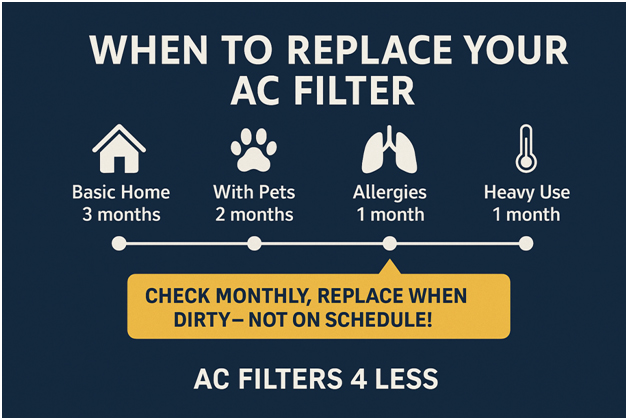
Regularly changing your AC filter is crucial for maintaining optimal air quality, energy efficiency, and increasing the lifespan of your home’s HVAC system. While general guidelines exist, the frequency of filter changes can vary based on several factors. Let's explore the standard replacement timelines, signs that indicate your filter needs replacing, and the factors that affect filter longevity.
Standard AC Filter Replacement Timelines
Most residential homes require HVAC filter replacement every 1 to 3 months. However, this timeline can vary depending on the type of filter you're using:
- Fiberglass Filters: These basic, affordable filters should be replaced every 30 days.
- Pleated Filters: More efficient than fiberglass, pleated filters typically last between 30 to 90 days.
- HEPA Filters: These high-efficiency filters may last up to 2-3 years, but require professional installation and are not suitable for all HVAC systems.
Pro Tip: All filters should be checked monthly regardless of MERV rating. While higher-MERV filters may appear to last longer, they can restrict airflow and should be closely monitored for potential system strain.
Signs Your AC Filter Needs Replacing
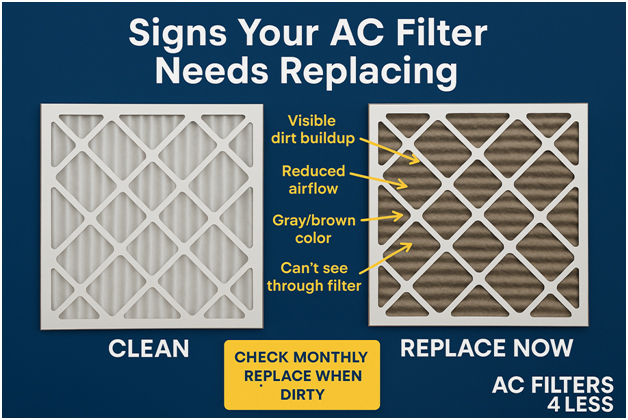
Even with standard timelines, it's essential to monitor your filter's condition. Each home is different and should, but filters should still be checked every 30 days and replaced as needed.
Here are key indicators that it's time for a filter replacement:
- Visible Dirt and Dust: If you can't see through the filter when held up to a light source, it's time to replace it.
- Increased Dust Around Vents: Dust and dirt collecting around AC vents may indicate a dirty filter.
- Rise in Electricity Bills: A dirty filter forces your system to work harder, increasing energy consumption.
- Longer Heating or Cooling Times: If your home takes longer to reach the desired temperature, the dirt in your filter may be restricting airflow.
- AC Unit Freezing Up: When an air conditioner can’t achieve the needed airflow, it will "freeze" and you’ll notice ice buildup on the lines and coils. A number of things can cause this, but a dirty filter should be the first place you look!
- Allergies Worsen: If you notice an increase in allergy symptoms, it could be due to a dirty filter circulating allergens.
Shop Filters By Type, Size & Brand
Factors Affecting Air Filter Replacement Frequency
Several factors can influence the frequency of changing AC filters, including the following:
1. Pets
Pets that shed or spend a lot of time outside picking up dirt, dander, and pollen will dirty a filter sooner than hypoallergenic breeds with non-shedding hair.
2. Allergies and Respiratory Conditions
Households with allergy sufferers or individuals with respiratory issues may need to change filters more frequently in the spring and fall when outdoor allergens are more prevalent.
3. Home Size and Occupancy
Larger homes or those with more occupants may require more frequent filter changes due to increased dust and particle accumulation.
4. Home Furnishings
Carpeting, drapery, and rugs are notorious for capturing and holding onto dirt and dander. Homes equipped with carpeted living spaces often require more frequent filter changes.
5. Outdoor Air Quality
High pollution levels and poor indoor air quality can affect filter longevity, as airborne contaminants will enter through open windows, doors, and occupant traffic.
6. HVAC Usage
During peak heating or cooling seasons, filters will need to be changed more often. Remember: your filter’s number one job is to protect the HVAC system from harmful dirt buildup!
7. Filter Type and Quality
Higher-quality filters with higher MERV ratings may last longer, but should still be checked regularly.
8. Home Renovations or Construction
If you're undergoing home renovations or there's construction nearby, more frequent filter changes may be necessary due to increased dust and debris.
Checklist for AC Filter Maintenance
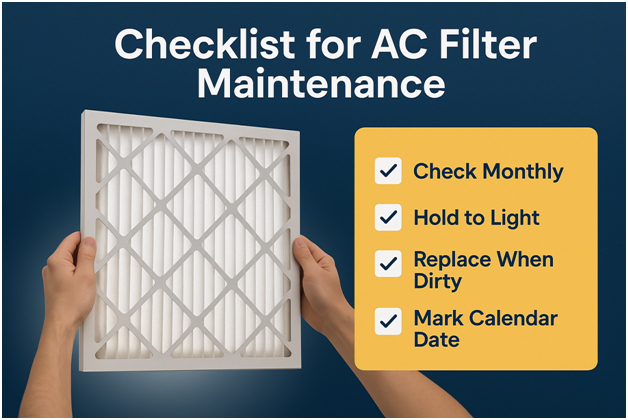
To ensure you're staying on top of your AC filter maintenance, follow this easy-to-scan checklist:
- Mark your calendar for monthly filter checks
- Set reminders on your phone or smart home device for filter replacements
- Keep spare filters on hand for quick replacements
- Check the filter's condition during each monthly HVAC inspection
- Replace the filter immediately if you notice any visible dirt or discoloration
- Adjust your replacement schedule based on seasonal changes and HVAC usage
- Consider upgrading to a higher-quality filter if you're changing them frequently ***too high MERV rating can cause airflow problems in central HVAC units
- Consult with an HVAC professional to determine the best filter type for your system
- Clean the area around your filter housing during each replacement.
- Ensure the new filter is installed in the correct direction (look for airflow arrows)
Maintaining a clean AC filter is crucial for the health of both your HVAC system and the people in your household. While the general guideline suggests changing your filter every 1 to 3 months, it's important to consider your specific circumstances. Factors such as pet ownership, allergies, home size, and air quality can significantly impact how often you need to replace your filter.
Is It Hard to Change an AC Filter?
For most homeowners, changing an AC filter is not difficult…it’s often described as one of the easiest HVAC maintenance tasks!
All you need to do is:
- Turn off the HVAC system (never change a filter while the fan is running!)
- Access the filter compartment
- Remove the old filter
- Place the new filter in the filter boot, slot of the drawer. Remember: the arrows go TOWARDS the furnace fan. And that’s it!
When Should You Call an HVAC Pro?
Most homeowners can easily check and change HVAC filters, but certain situations call for professional assistance:
- Upgrading Filters: If you’re switching to high-efficiency filters like HEPA or carbon filters, a professional can ensure compatibility with your system. If the filter boot needs to be modified, an HVAC technician will be able to construct a metal housing for it and attach it to your current system.
- Complex Systems: Some homes, apartment complexes or commercial buildings may require a service technician to access filters safely.
- Uncertainty About Filter Size: If you’re unsure about what size or type of filter to use, a technician can help determine the best option.
- Mobility Limitations: Elderly or disabled individuals may find it challenging to access filter compartments and should call for assistance when needed.
- Recurring Issues: If replacing the filter doesn’t resolve problems like poor airflow or unusual noises, it’s definitely time to call a pro.
Common AC Filter Issues and Fixes
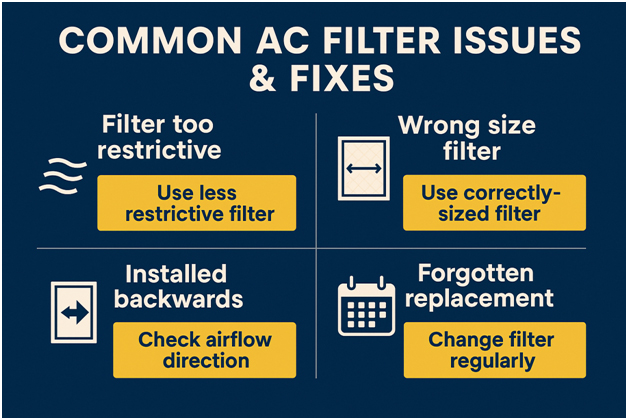
What Happens If You Don’t Change Your AC Filter?
Failing to replace your AC filter can have dire repercussions for your entire HVAC system. Running the unit with a dirty filter will create air restriction, making your system work harder, increasing your utility bills, and even causing damage to your HVAC equipment. The added strain of a dirty filter can lead to overheating in components such as the blower motor or the compressor, which can make for some expensive repairs!
Indoor air quality also suffers due to a dirty filter. A dirty filter can no longer effectively capture small particles in the air, such as dust, pollen, and pet dander. These pollutants can worsen allergies and respiratory conditions. If you notice an excess of dirt and dust in your home, the first place you should check is your HVAC filter.
Will My AC Work With a Dirty Filter?
Yes, but only for a little while, and it might end up costing you quite a bit of money in repairs!
A blocked filter limits airflow into the system. Air conditioners use a chemical refrigerant to absorb the heat from inside your home and release it outside through a system of coils. This process requires quite a bit of airflow, both inside at the evaporator coil and outside at the condenser. A dirty filter causes an airflow issue inside the evaporator and effectively stops the air conditioner from absorbing and releasing heat.
If the filter is just a little dirty, you might see increased energy bills as the system works harder to maintain the temperature. If the filter is blocked, the air conditioner will short-cycle, freeze up, or both.
Short cycling is when a cooling cycle is not fully completed, and the AC turns on and off repeatedly. This occurs because the system overheats and trips a limit switch that stops the air conditioner. When it cools down, it starts up again, and the problem continues. Short cycling will drastically increase your energy bills and put unnecessary strain on your HVAC system.
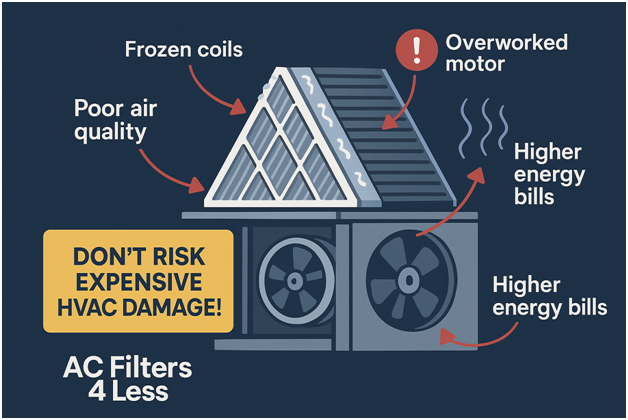
A dirty filter can also cause an air conditioner to "freeze." This, again, is a result of poor airflow and will often happen hand in hand with short cycling. The lack of airflow affects the pressure of the refrigerant as it circulates through the HVAC system, making the system unable to keep the coils above freezing. If this happens, you might notice ice forming on the lines going to the coils, both outside on the condenser and inside where they come out of the evaporator.
If the air conditioner is short-cycling or freezing up and the filter is not checked and changed, you could risk damaging the compressor. This is the heart of the air conditioner and is often nearly as expensive to repair as it is to purchase and install a whole new condenser!
AC Filter Costs & Where to Buy
One of the easiest (and cheapest!) ways homeowners can take care of their HVAC equipment is to check and replace the filter regularly. For those of you new to home ownership or HVAC maintenance, here’s some helpful information for you:

How Much Do AC Filters Cost?
The cost of AC filters varies depending on the type, size, and efficiency (MERV rating).
- Disposable Filters: These are the most common and cost between $5 and $50. Flat, fiberglass filters are on the lower end of the spectrum, while pleated filters with higher MERV ratings can reach $50 or more.
- Washable Filters: Reusable options cost more upfront, typically ranging from $30 to $120, but they last for years if maintained properly.
- HEPA Filters: Known for their high efficiency in trapping allergens, HEPA filters range from $20 to $100, depending on size and brand.
- Custom Sizes: Filters for non-standard HVAC systems can cost more due to customization needs.
The price also increases with higher MERV ratings. For example, filters rated MERV 1–7 cost around $5–$20, while MERV 8–13 filters range from $20 to $150. Higher-rated filters provide better air quality but may not be compatible with all systems. Most HVAC professionals recommend MERV 8 to homeowners with standard HVAC systems.
Shop Filters By Type, Size & Brand
Where to Buy AC Filters
Online Retailers
- Amazon: Offers a wide variety of brands and sizes at competitive prices. Bulk options are available for added savings.
- AC Filters 4 Less: Provides an extensive selection of filters that perfectly match the HVAC system requirements of most homes and businesses, with custom-made options and at the lowest cost. They have reliable customer support and offer free shipping.
For a detailed breakdown of where to find the best deals, see our guide to the best places to buy cheap AC filters online. - FilterBuy: Specializes in HVAC filters with customizable sizes and MERV ratings. They also offer subscription services for regular deliveries.
- Target: Provides affordable options for standard-sized filters, including multi-packs starting at around $26.99 for pleated filters.
- Costco: Known for bulk deals on high-quality filters, Costco is a favorite among homeowners looking to stock up for a year or more.
In-Store Options
- Home Depot: A go-to destination for HVAC filters, offering frequent sales (up to 50% off) on popular brands.
- Lowe’s: Similar to Home Depot, Lowe’s carries a broad selection of filters at reasonable prices.
- Local Hardware Stores: Smaller stores may carry basic filter options but might lack variety in MERV ratings or custom sizes.
Are Subscription-Based Filter Replacement Services Worth It?
Subscription services deliver filters to your home on predetermined schedules—typically monthly, bi-monthly, or quarterly. While marketed as convenient, these services often lead to unnecessary replacements and higher costs.
The Problem with Set Schedules
Filters don't get dirty on a calendar schedule. Your actual replacement needs depend on:
- Seasonal usage (heavy AC/heating months vs. mild weather)
- Local air quality and pollen levels
- Whether you have pets or allergies
- How often does your HVAC system run
- The specific MERV rating of your filter
The subscription model benefits the company, not you. When filter companies set your replacement schedule, they're incentivized to err on the side of more frequent changes, meaning more sales for them and unnecessary expenses for you.
A Smarter Approach: Monthly Check, Replace When Dirty
Instead of blindly following a subscription schedule:
- Set a monthly reminder to check your filter (first of the month works well)
- Visually inspect the filter - hold it up to the light
- Replace only when it's actually dirty - you'll see debris buildup and reduced light transmission
- Buy in bulk when you find good deals rather than paying subscription premiums
The Bottom Line
Check monthly, change when dirty. This approach typically saves 30-50% compared to subscription services while ensuring your system gets exactly what it needs—no more, no less. Your HVAC system and your wallet will thank you.
Filter Recommendations: Trusted Brands for Modern HVAC Systems
Based on HVAC professional recommendations and real-world performance, here are our top filter choices available at acfilters4less.com:
Koch Filters - MERV 8 Pleated (Our Top Recommendation)
- Why HVAC pros choose Koch: Optimal balance of filtration and airflow for modern systems
- Perfect for: Variable-speed motors and newer HVAC equipment
- Captures: Dust, pollen, mold spores, and pet dander without restricting airflow
- Replacement schedule: Check monthly, replace when dirty (typically 1-3 months)
- Best value: Available in convenient multi-packs for year-round supply
Trane Perfect Fit - MERV 8
- OEM quality: Designed to work seamlessly with Trane systems (and compatible with most brands)
- Professional grade: Same filters used by HVAC technicians
- Proven performance: Protects your equipment while maintaining optimal airflow
- Peace of mind: Trusted brand name with consistent manufacturing standards
Why We Focus on MERV 8
After consulting with HVAC professionals, we've learned that MERV 8 is the sweet spot for most residential systems, especially newer variable-speed units. Here's why:
- System protection: Won't strain your HVAC motor or cause overheating
- Effective filtration: Captures 85% of particles that matter for home comfort
- Cost efficient: Lower replacement costs with better airflow
- Professional recommended: "Nothing more than MERV 8" - actual HVAC technician advice
For Allergy Sufferers
Instead of high-MERV filters that can damage your system, consider:
- More frequent changes: Replace MERV 8 filters monthly during peak seasons
- UV light systems: Ask your HVAC professional about adding UV lights for superior air purification
- Proper maintenance: Clean filters work better than expensive dirty ones
Looking for a Great Grille Filter? Try Practical Pleat MERV 11
Looking for a great grille filter for your wall or ceiling air returns? Practical Pleat MERV 11 delivers superior filtration right where you need it most. These grille filters capture dust, pollen, mold spores, and pet dander before they enter your HVAC system, providing an extra layer of protection for your equipment and improved air quality throughout your home.
With reliable performance and consistent quality at an affordable price point, Practical Pleat MERV 11 grille filters are ideal for homeowners seeking effective filtration at every return air intake without incurring premium costs. Perfect for both wall-mounted and ceiling-mounted return grilles, these filters maintain proper airflow while effectively targeting common household particles. Available in custom sizes to fit any grille opening, with bulk purchasing options for maximum savings across all your return air locations.
Custom Sizes Available
Can't find your size in stores? We specialize in custom and hard-to-find filter sizes. All our Koch, Practical Pleats, and Trane filters can be manufactured to your exact specifications.
Order your filters today at acfilters4less.com - We make it easy with your size on file and bulk pricing available.
FAQs: Common Questions About AC Filters
Where is the AC filter located?
A: The AC filter is typically located in the return air duct, air handler cabinet, or inside the unit itself. For central AC systems, it's often found along the length of the return duct (where the metal duct meets the furnace). For window units, the filter is usually behind the grill, facing into the room.
Can you clean and reuse an AC filter?
A: Some AC filters can be cleaned and reused. These filters are typically labeled as "washable" or "reusable." To clean them, gently vacuum off loose debris, then rinse with warm water and mild detergent. Standard HVAC filters are not reusable and should be replaced and discarded.
Do pleated filters restrict airflow?
A: High-MERV pleated filters can restrict airflow if they're too dense for your HVAC system. This is more common in older systems or those not designed for high-efficiency filters. For most homes, MERV 8–12 filters provide a good balance of filtration and airflow.
Can I run my HVAC system without an air filter?
A: While your HVAC system will run without a filter, it's not recommended. Your filter's main job is to protect your HVAC system from a buildup of dirt and dust. Without a filter, dust will collect on the blower motor (making it prone to overheating) and the indoor evaporator coil (restricting airflow). This can lead to serious issues and expensive repairs.
How often should I replace my AC filter?
A: Most filters should be replaced every 1–3 months, depending on usage and environmental factors like pets or allergies. Check your filter monthly and replace as needed. High-traffic homes with multiple occupants may require more frequent filter replacements.
Are HEPA filters compatible with all HVAC systems?
A: No, HEPA filters are not compatible with all HVAC systems. They require specific installation and may restrict airflow in older systems. Always check your system's specifications before installing a HEPA filter.
Can I use the same filter for both heating and cooling?
A: Yes, the same type of filter is typically used for heating and cooling systems, as they share the same ductwork.
What's the difference between MERV 8, MERV 11, and MERV 13 filters?
A: MERV 8 filters capture larger particles like dust and pollen and are recommended by most HVAC professionals for residential use. MERV 11 filters capture smaller particles, including mold spores and pet dander. MERV 13 filters capture even finer particles but may restrict airflow in some systems. For most homes, MERV 8 provides the best balance of filtration and system protection.
Why does my filter get dirty so fast?
A: Filters get dirty faster during peak heating/cooling seasons, in dusty environments, with pets in the home, or when your HVAC system runs frequently. During summer and winter months, check your filter monthly as it may need replacement more often than the standard 3-month recommendation.
What size filter do I need for my HVAC system?
A: Filter size is printed on the side of your current filter (e.g., 16x25x1, 20x20x1). Measure the length, width, and thickness if the label is unreadable or follow our complete guide to finding your filter size. Using the wrong size can cause air bypass and reduce filtration effectiveness. Filters that are too small risk being sucked into the fan, potentially causing damage. Custom sizes are available for non-standard openings.
Can a dirty filter cause my AC to freeze up?
A: Yes, a severely clogged filter restricts airflow over the evaporator coil, preventing the chemical coolant from working to cool your home. This can damage your system and reduce efficiency. Regular filter replacement prevents this costly problem.
Do expensive filters last longer than cheap ones?
A: Not necessarily. Higher-priced filters often have higher MERV ratings, which means they capture more particles and may actually get dirty faster. The key is choosing the right MERV rating for your system and replacing filters based on condition, not price.
What happens if I use a filter with too high of a MERV rating?
A: High-MERV filters can restrict airflow, causing your system to work harder, increase energy costs, and potentially damage the blower motor. Modern variable-speed systems are particularly sensitive to airflow restrictions. Stick with MERV 8 for most residential applications.
Are fiberglass filters bad for my HVAC system?
A: Basic fiberglass filters (MERV 1-4) provide minimal filtration and mainly protect equipment from large debris. While they don't restrict airflow, they offer little protection for indoor air quality. MERV 8 pleated filters provide much better filtration without significantly restricting airflow.
How do I know if my filter is installed correctly?
A: Look for airflow direction arrows on the filter frame - these should point toward the blower/furnace. The filter should fit snugly with no gaps around the edges. A properly installed filter prevents air bypass and ensures effective filtration.
Can I cut a filter to fit my system?
A: Never cut filters to fit. This compromises the filter's integrity and can cause air bypass. If you can't find your size in stores, custom-sized filters are available and ensure proper fit and performance.
Do I need different filters for allergies or pets?
A: For allergies and pets, focus on more frequent replacement of MERV 8 filters rather than higher MERV ratings. Change filters monthly during peak seasons, and consider adding UV lights to your system for superior air purification without restricting airflow.
Where can I buy custom-sized filters?
A: Many standard sizes aren't available in stores. Specialty retailers like AC Filters 4 Less offer custom manufacturing for any size, including hard-to-find dimensions for older systems or unique installations.
Is it cheaper to buy filters in bulk?
A: Yes, buying filters in bulk typically saves 20-40% compared to individual purchases. Many suppliers offer bulk pricing and can keep your filter size on file for easy reordering.
What's the difference between pleated and fiberglass filters?
A: Pleated filters have more surface area and capture smaller particles than flat fiberglass filters. The pleated design allows for better filtration without significantly restricting airflow, making them ideal for most residential applications.
How do electrostatic filters work?
A: Electrostatic filters use static electricity to attract particles. While washable and reusable, they typically don't filter as effectively as quality pleated filters and require regular cleaning to maintain performance.