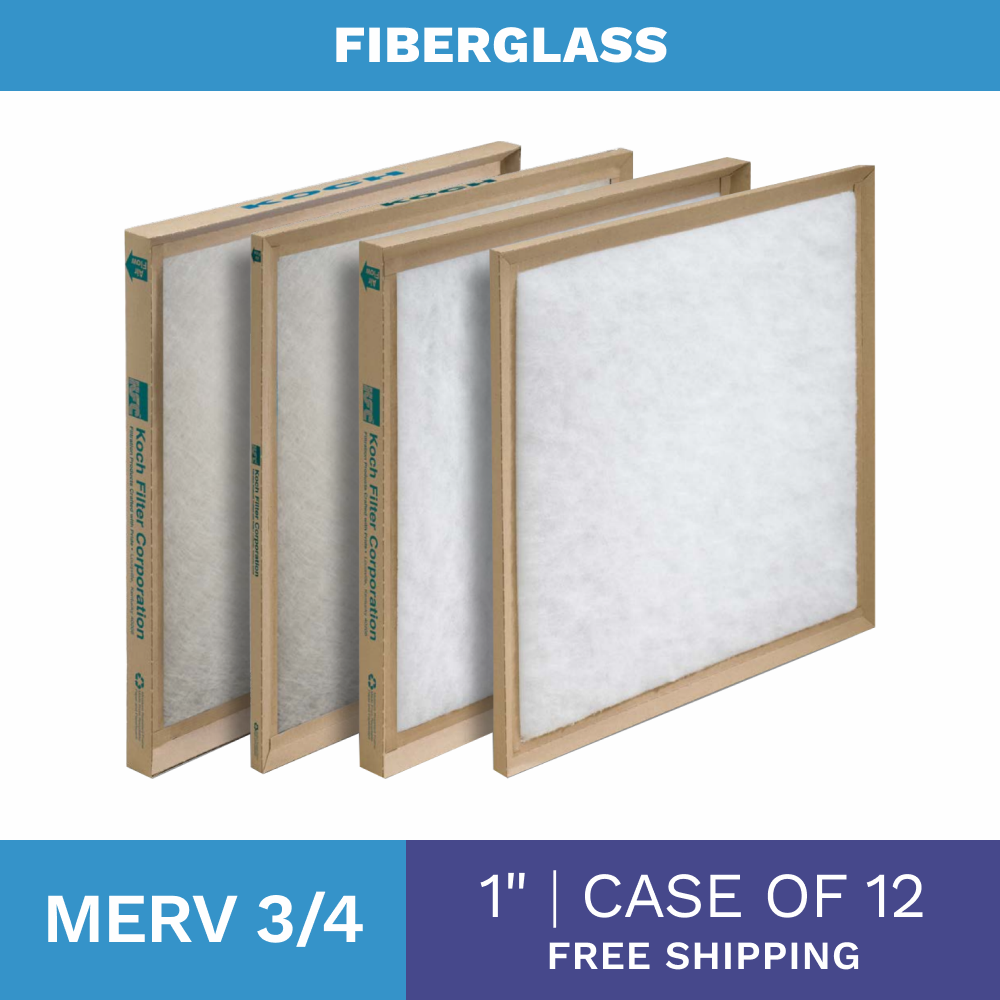
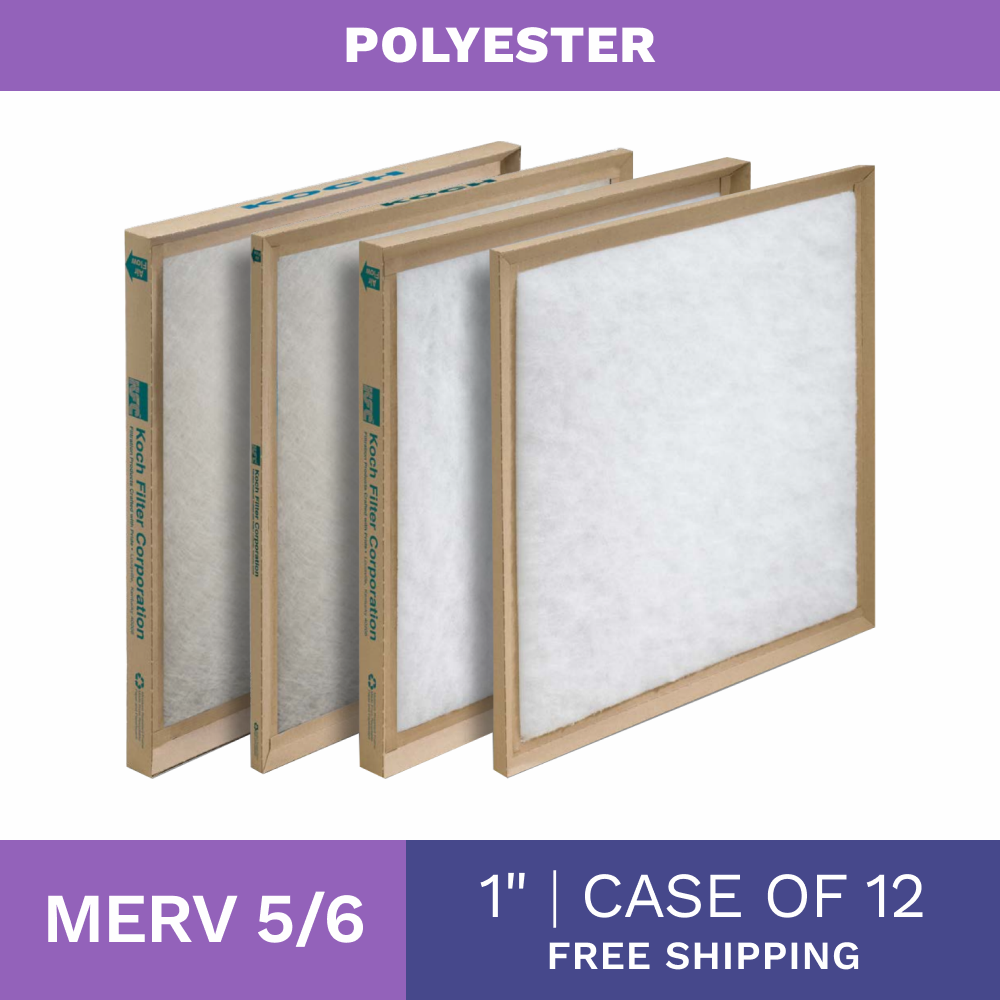
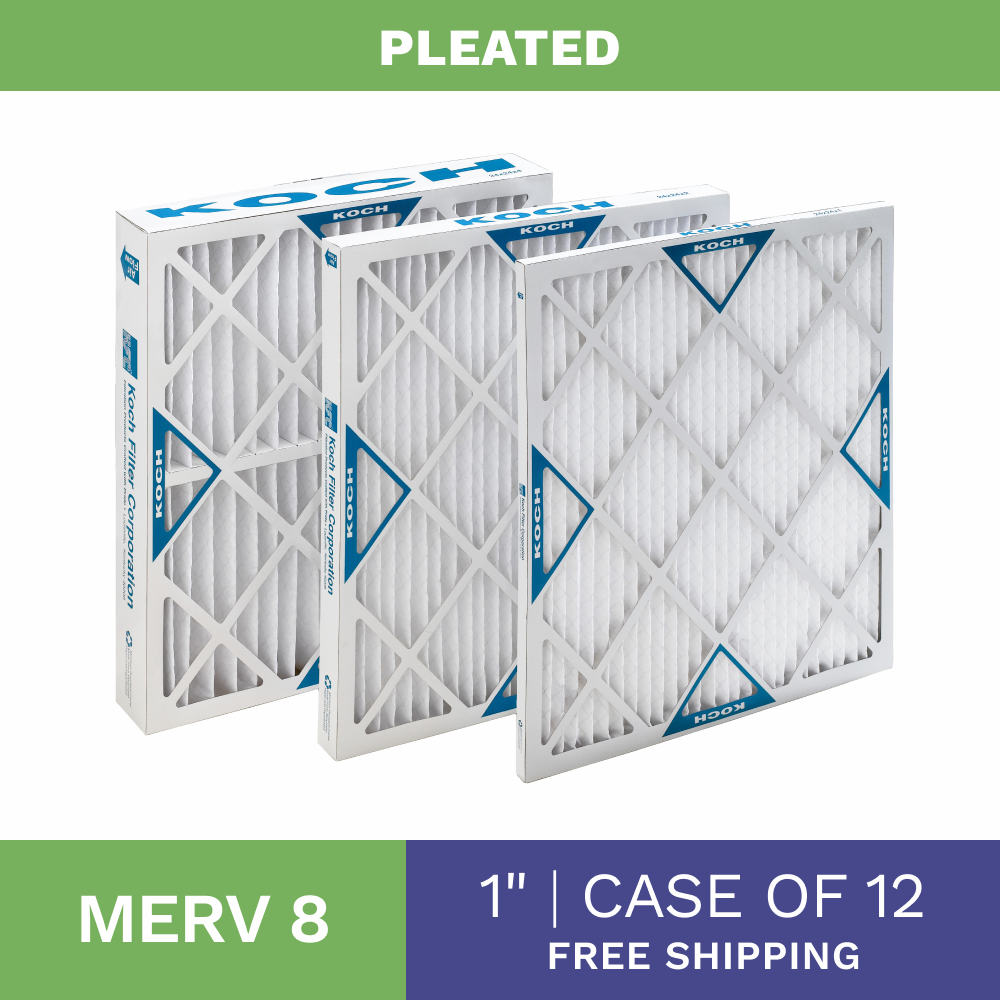
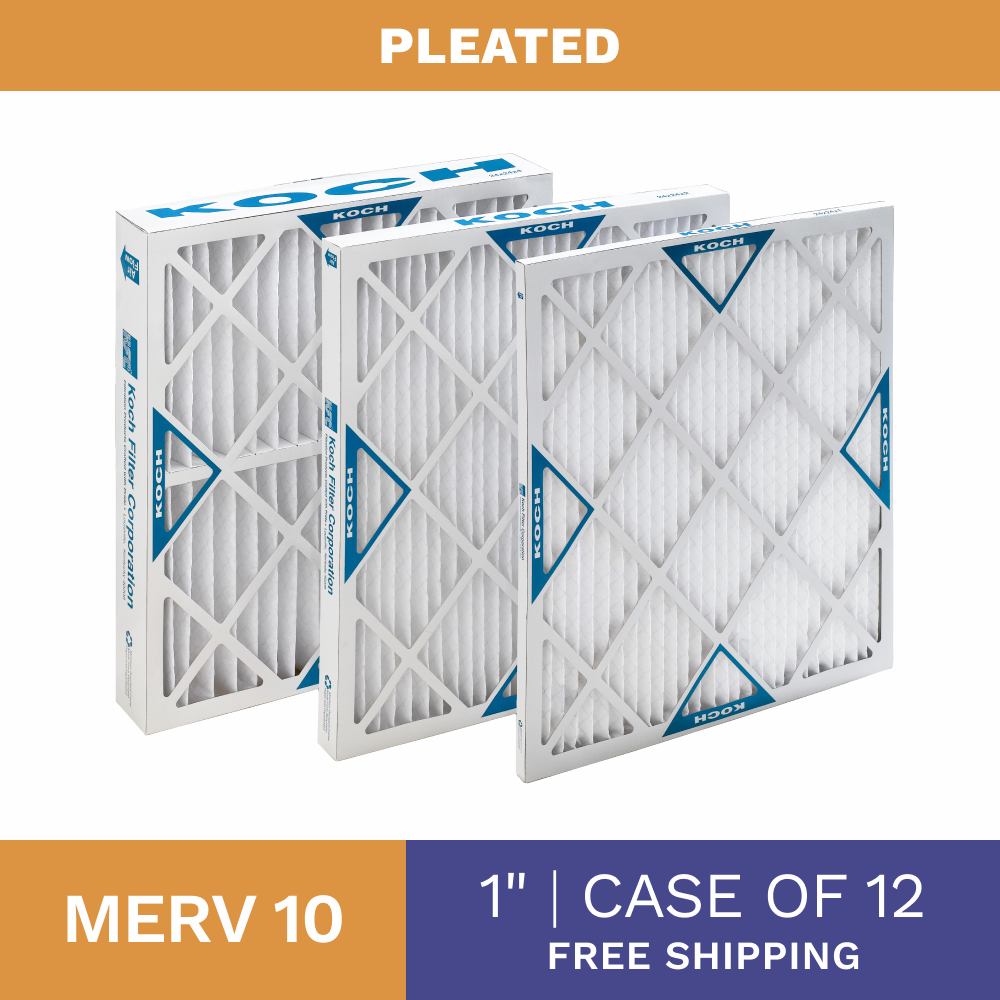
Free Shipping


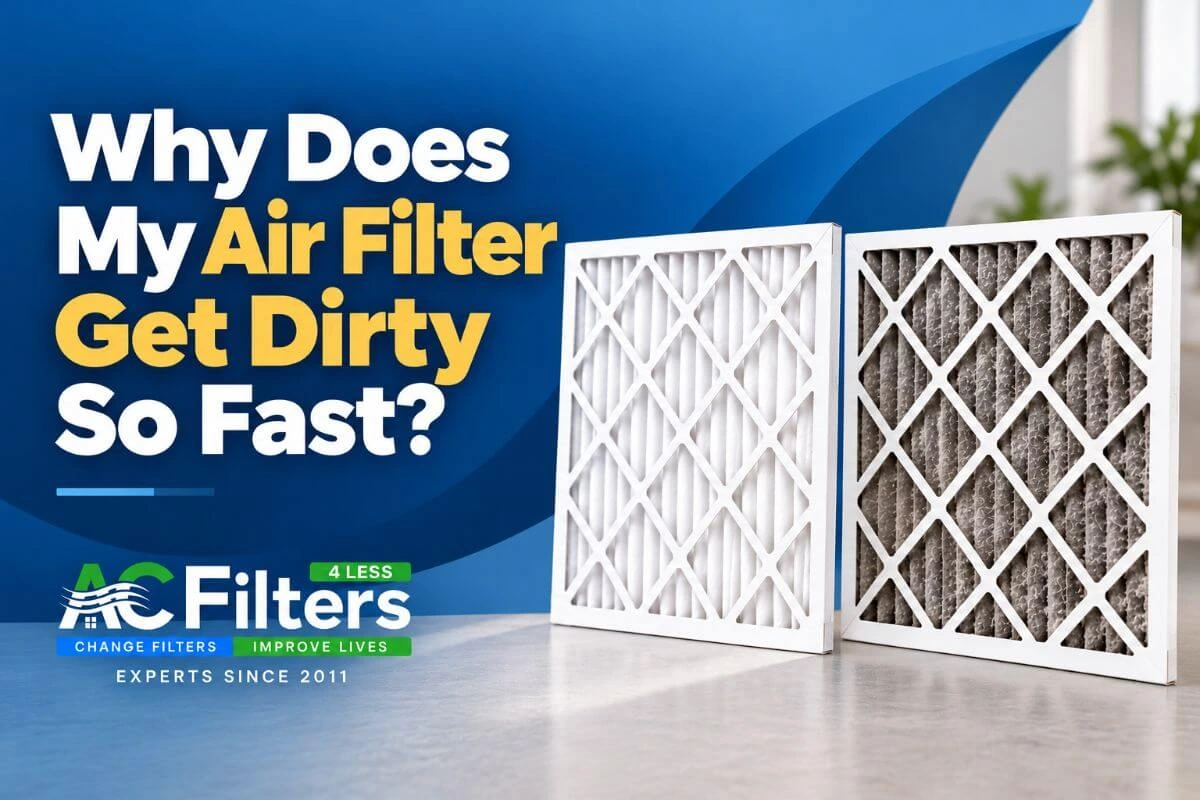
Quick answer: Your air filter gets dirty quickly when your HVAC system pulls in more dust, pet hair, dander, or outdoor particles than usual. High system runtime, a fan set to "On", renovation dust, gaps around the filter frame, and return-duct leaks can all speed up buildup. If you're changing your air filter every two weeks, it's worth finding out why.
If your air filter looks dirty after just two or three weeks, you may be dealing with more than normal dust buildup. Pets, home renovations, long HVAC run times, and problems with your ductwork or filter fit can all cause a filter to collect debris faster than expected.
The good news is that you can check several common causes yourself. This guide explains why your air filter gets dirty so fast, what you can do about it, and when it makes sense to contact an HVAC professional.
How Fast Should an Air Filter Normally Get Dirty?
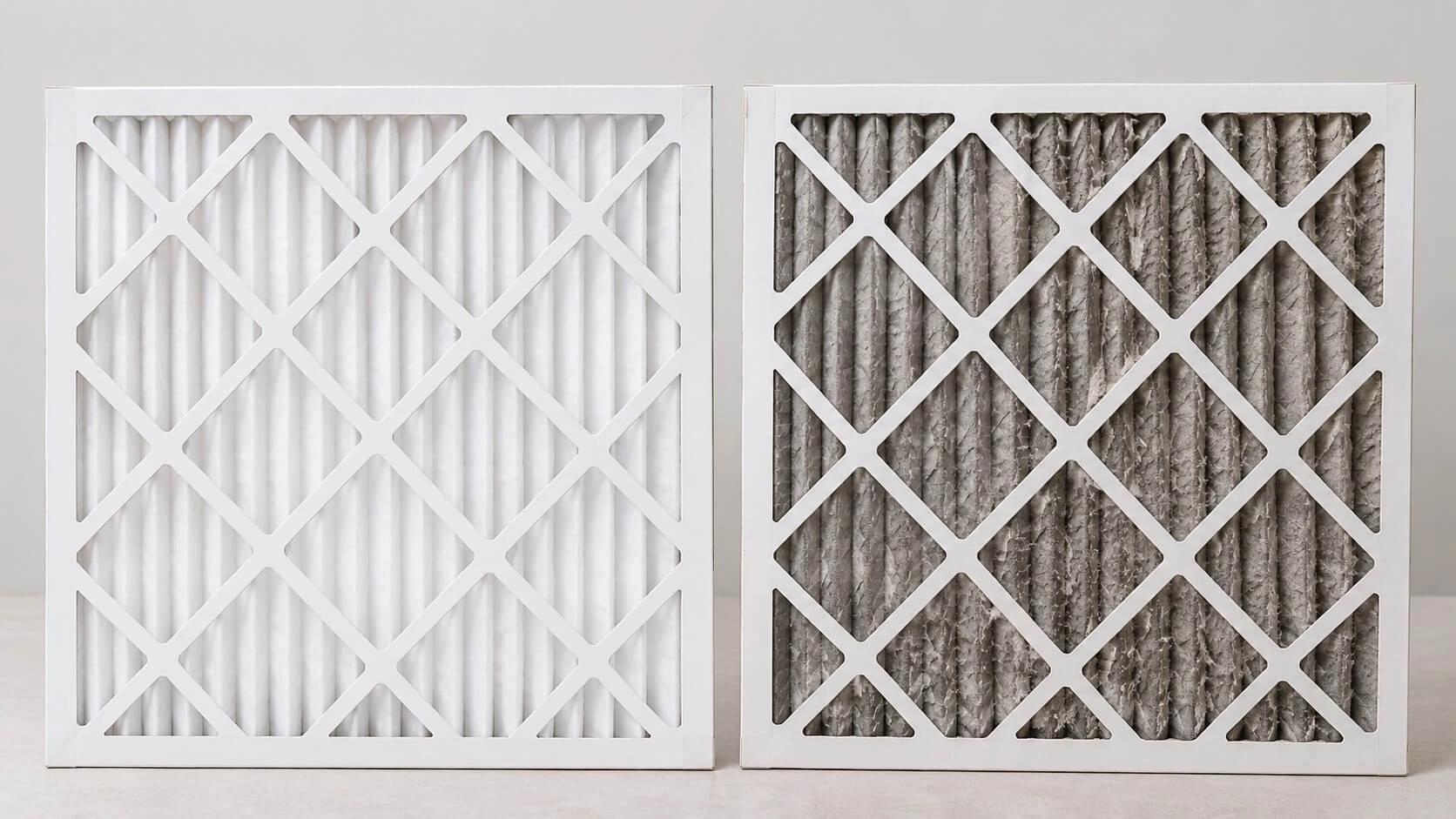
There is no single timeline that works for every home. Many 1-inch pleated air filters are replaced about every 30 to 90 days, but the right interval depends on your filter, HVAC system, and living conditions.
According to the EPA's Guide to Air Cleaners in the Home, manufacturers typically recommend replacement every 60 to 90 days, but many factors can affect how quickly filters get dirty, and filters that appear heavily soiled should be changed more frequently.
Your filter may need attention sooner if you have pets, run your heating or cooling system for long periods, or live in an area with high pollen, dust, or smoke.
Several factors affect how quickly an air filter collects particles:
- Filter size and depth: Thicker media filters generally have more surface area to collect particles than standard 1-inch filters.
- MERV rating: A filter with a higher MERV rating captures a greater share of certain airborne particles. It may look darker as it collects them, but darkness alone does not tell you whether the filter is clogged.
- Household activity: Pets, cleaning habits, renovation work, and the number of people in your home can affect dust levels.
- HVAC runtime: The more air your system moves through the filter, the more opportunities there are for the filter to collect airborne particles.
A filter that looks gray does not automatically need replacing, and a dark filter does not prove that your HVAC system has a problem. Check the filter manufacturer's replacement guidance and inspect the filter for accumulated debris and signs that airflow may be restricted.
For general replacement timing, see our guide on how often you should change your air filter. This article focuses on what to investigate when your filter gets dirty sooner than expected.
7 Reasons Your Air Filter Gets Dirty So Fast
If your air filter gets dirty quickly, work through these seven possible causes to narrow down what may be happening in your home.
| Cause | Most likely if... | Action |
|---|---|---|
| Pets | You have dogs or cats, especially heavy shedders | Vacuum returns weekly; inspect filter more often |
| Renovation or construction dust | Recent home work or nearby outdoor construction | Inspect filter immediately after work ends |
| High HVAC runtime | System runs most of the day during peak seasons | Check filter monthly during heavy-use periods |
| Fan set to "On" | Thermostat fan runs continuously | Switch to "Auto" or increase inspection frequency |
| Return-duct leaks | Filter loads fast despite a clean home | Contact a licensed HVAC professional |
| Wrong filter size or poor fit | Gaps visible around filter edges | Confirm dimensions and reseat or replace filter |
| Higher MERV rating | You recently switched to a higher-rated filter | Verify system compatibility before switching |
Not sure which filter fits your system?
Shop by Filter Size Shop MERV 8 Filters
1. Pets Are Adding Hair and Dander to the Air
Pet hair, skin flakes, and dander can collect on your HVAC filter. If you have multiple pets or a heavy-shedding dog or cat, your filter may need more frequent inspection.
Pet-related buildup may increase when:
- Your pets shed heavily or are going through a seasonal shedding period.
- Your pets spend a lot of time indoors.
- Your pets rest near return air grilles.
- Dust and pet hair build up on rugs, upholstery, and floors.
What to do
Brush your pets regularly and vacuum floors, rugs, and furniture to reduce loose hair and dust. Keep return grilles clear of visible debris, and inspect your filter more often during heavy-shedding periods.
If you have pets year-round, your filter may not follow the same replacement schedule as a home without them. Use its actual condition and the manufacturer's guidance to determine when it needs changing.
2. Renovation Dust, Construction, or Open Windows Are Letting in More Particles
Home improvement projects can produce drywall dust, sawdust, sanding particles, and other fine debris. These particles can spread through your home and cause an air filter to load up much faster than usual.
Outdoor conditions can also contribute. Open windows, nearby construction, unpaved roads, heavy pollen, and wildfire smoke may increase the amount of airborne material entering your home.
What to do
During dusty renovation work, ask your contractor about appropriate dust containment and HVAC protection. Avoid allowing construction dust to circulate through the system.
Keep the HVAC filter installed, and follow the contractor's or HVAC professional's guidance if the system needs protection during particularly dusty work.
After the work is finished, inspect the filter and replace it if its condition warrants it. During high-pollen or smoky periods, keep track of outdoor conditions and inspect your filter more frequently.
If the filter returns to its usual loading rate once the dust source is gone, the problem may have been temporary. If it continues getting dirty unusually fast, check the other causes below.
3. Your HVAC System Is Running More Often
The more air your heating and cooling system moves, the more airborne particles can collect on the filter.
Your system may run longer during very hot summers, cold winters, or periods when outdoor conditions make it harder to maintain a comfortable indoor temperature. A home with frequent heating or cooling cycles may therefore need more frequent filter checks than one with mild weather and lower system use.
Longer runtime does not automatically mean your HVAC system is malfunctioning.
What to do
Inspect your filter more often during the seasons when your system runs heavily. Compare how quickly it loads during peak heating or cooling periods with how it looks during milder weather.
If your system runs unusually long even when outdoor conditions are moderate, or if you notice other performance changes, consider having an HVAC professional check the system.
4. Your Thermostat Fan Is Set to "On" Instead of "Auto"
Your thermostat's fan setting can affect how often air passes through the filter.
- Auto: The blower generally runs when the system calls for heating or cooling, subject to your equipment's controls.
- On: The blower runs continuously or for extended periods, depending on the system and its controls.
Continuous fan operation can move more air through the filter over time, which may increase how quickly particles accumulate.
However, some homeowners prefer continuous circulation for comfort or air-distribution reasons. The "On" setting is not automatically wrong; it simply may mean that you need to inspect your filter more frequently.
What to do
If your filter gets dirty quickly and your thermostat fan is set to "On", check your HVAC manufacturer's guidance. You could try "Auto" if it suits your household's needs, then monitor whether the filter's loading rate changes.
If you prefer continuous circulation, keep using the setting as appropriate for your system and adjust your inspection schedule accordingly.
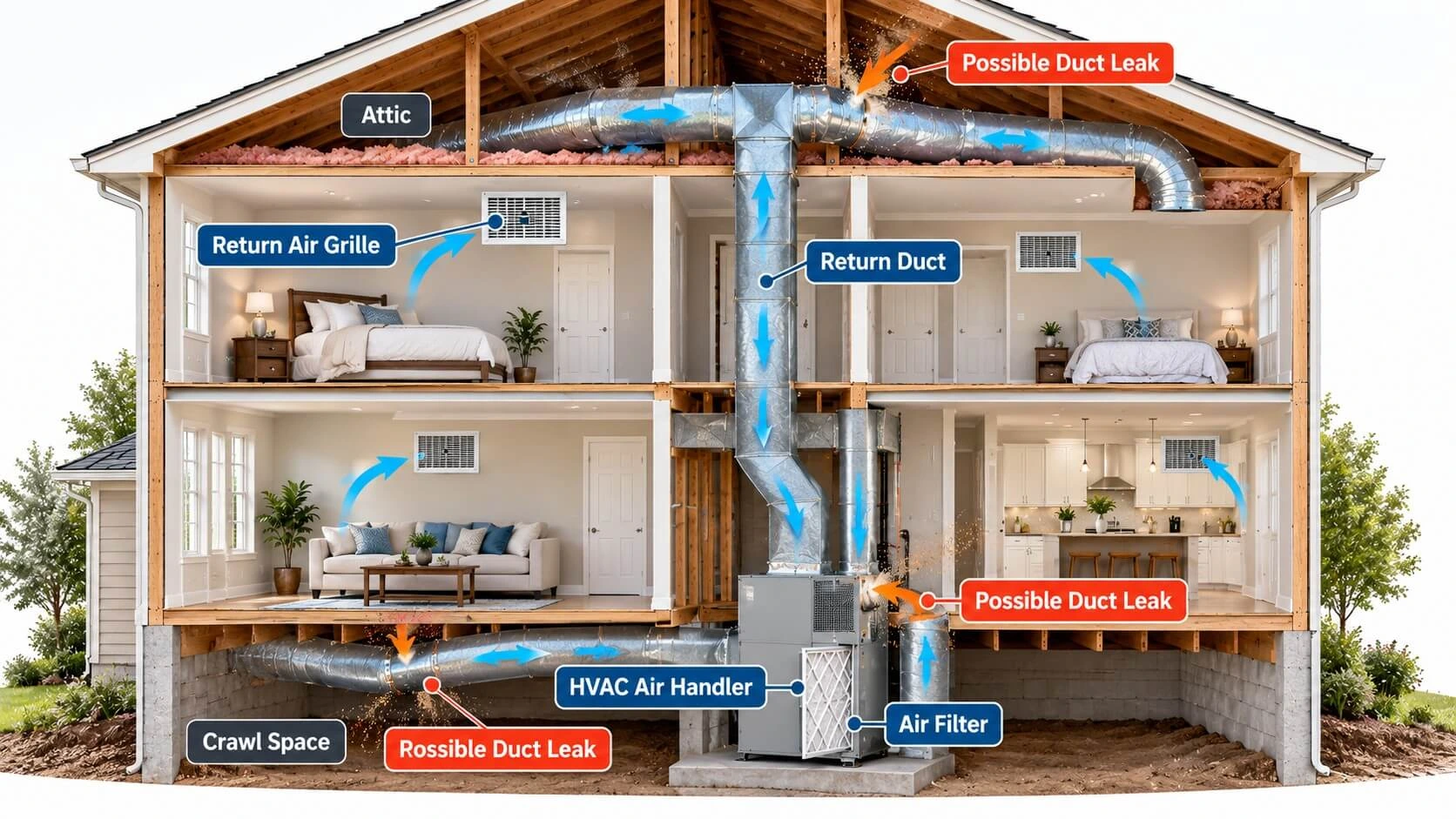
5. Leaky Return Ducts May Be Pulling in Dusty Air
Your return ducts carry air from your home back to the HVAC system. If the return ductwork has gaps, cracks, or loose connections, it may draw in air from places it should not, such as an attic, crawl space, garage, or wall cavity.
These areas can contain dust and other debris. If that air enters the return side of the system, your filter may collect more material than you would expect based on the visible dust in your living space.
According to ENERGY STAR, in typical homes about 20 to 30 percent of the air moving through the duct system is lost due to leaks, holes, and poorly installed ducts. When those losses occur on the return side, the system draws in replacement air from wherever it can find it.
Possible clues include:
- Your filter loads quickly even though your home does not seem unusually dusty.
- Some rooms collect more dust than others.
- You notice dust around return grilles.
- You suspect that return ductwork passes through dusty or unconditioned spaces.
These signs do not confirm a duct leak, but they may justify a closer look.
What to do
If you suspect return-duct leakage, contact a licensed HVAC professional. They can inspect the ductwork and determine whether testing is needed. Avoid sealing ductwork yourself unless you know the correct materials and methods for your system.
6. Your Air Filter Is the Wrong Size or Does Not Fit Properly
An air filter needs to fit its designated slot correctly. If the filter is too small, bent, damaged, or installed incorrectly, air may flow around its edges instead of passing through the filter media.
This can allow particles to bypass the filter and enter the HVAC system. Dust may also collect unevenly around the frame or filter housing.
Check for these common fit problems:
- The filter does not match the size specified for the system.
- The frame is bent or crushed.
- The filter does not sit securely in its slot.
- There are visible gaps around the edges.
- The filter's airflow-direction arrow does not match the required installation direction.
What to do
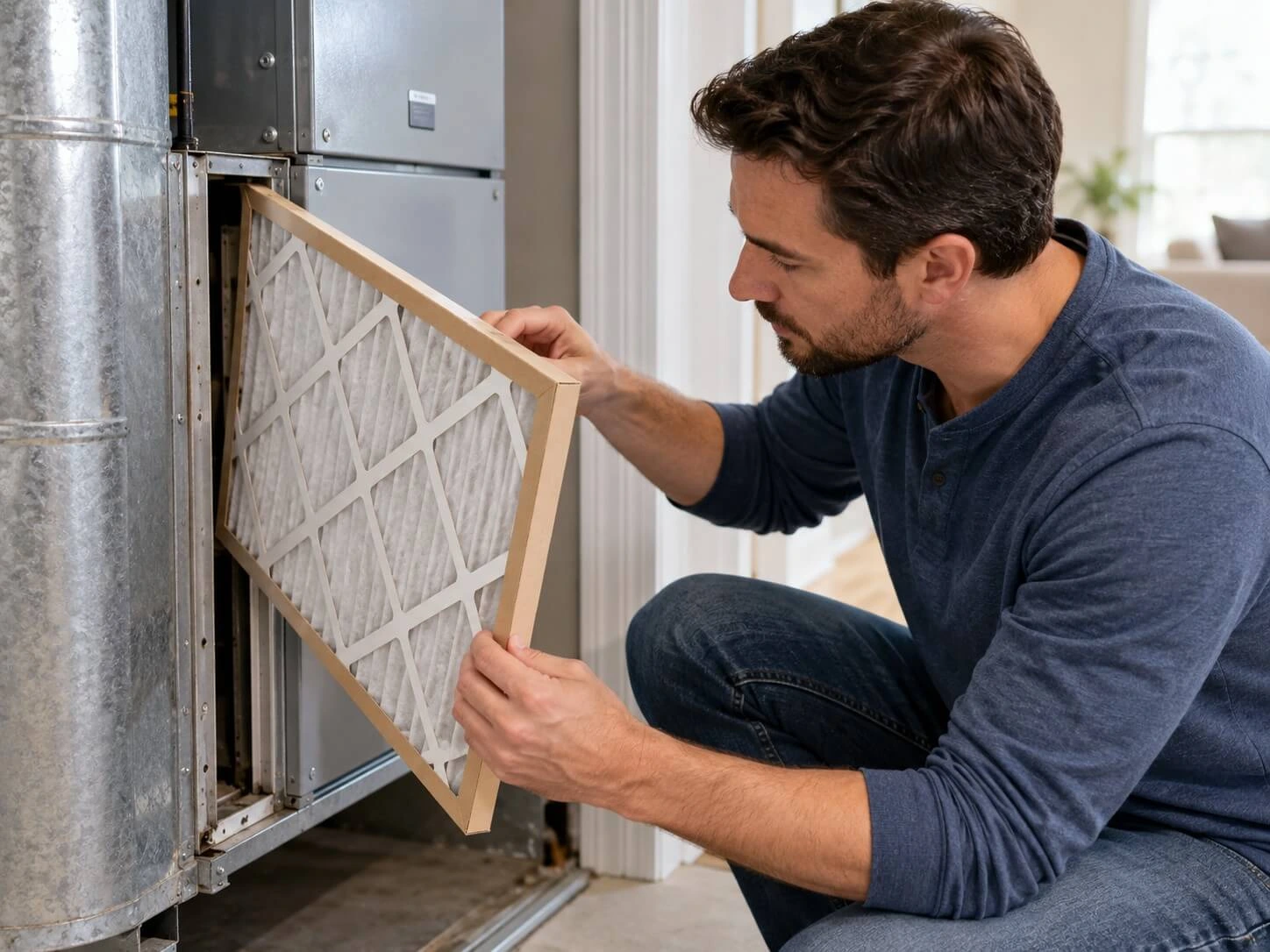
Turn off the system if needed to safely access the filter, then check the size and fit according to the equipment instructions. The filter should sit properly in its slot without obvious gaps or damage.
If you are unsure which size to buy, use our air filter size guide to measure the slot and confirm the correct filter dimensions before ordering.
Shopping tip: Once you confirm the correct size, choose a compatible filter that meets your system's requirements. Buying the right size helps you avoid fit problems that can undermine filtration.
7. A Higher-MERV Filter May Look Dirty Sooner
MERV stands for Minimum Efficiency Reporting Value. It describes how effectively an air filter captures certain particles under standardized testing.
A higher-MERV filter captures more of some smaller airborne particles than a lower-MERV filter. As it collects particles, it may look darker or more visibly loaded. That appearance alone does not prove the filter is clogged or that your home suddenly has more dust.
The important consideration is whether the filter is compatible with your HVAC system. Filters with greater airflow resistance can be unsuitable for equipment that is not designed to handle them.
ASHRAE's filtration guidance notes that increasing filter efficiency generally leads to increased pressure drop, which can reduce airflow or increase fan energy use, and recommends verifying that your HVAC system can handle a filter upgrade before switching to a higher rating.
What to do
If you recently changed to a higher-MERV filter and noticed a difference, check your HVAC manufacturer's recommendations and the filter specifications. Do not assume that the highest available MERV rating is automatically the best choice for your system.
You can compare filtration ratings in our MERV rating guide. Choose a filter that balances your filtration needs with your system's airflow requirements.
Shopping tip: Before ordering a different MERV rating, confirm both your filter size and the rating your HVAC system can accommodate. If you are uncertain, ask an HVAC professional.
Is Changing an Air Filter Every Two Weeks Normal?
For many homes, changing a standard 1-inch pleated filter every two weeks is more frequent than expected. However, it can happen during periods when the filter is exposed to unusually high amounts of airborne particles or when the system runs much more than usual.
Temporary causes may include:
- Home renovations: Sanding, drywall work, and other dusty projects can increase particle levels.
- Wildfire smoke or poor outdoor air quality: Smoke and outdoor particles may increase the amount collected by the filter.
- Heavy pollen: Seasonal pollen can contribute to faster loading, particularly when outdoor air enters through open windows and doors.
- Pets: A new pet or a period of heavy shedding can increase hair and dander in the home.
- High HVAC runtime: Long heating or cooling periods mean more air passes through the filter.
If one of these conditions applies, inspect your filter more frequently and follow the manufacturer's guidance. The faster loading may ease once the temporary condition ends.
If your filter is still getting dirty after two weeks under ordinary household conditions, investigate the fit, fan setting, dust sources, MERV compatibility, and possible duct leakage.
The key question is not just how often you need to buy filters. It is why your filter is collecting debris so quickly. Replacing filters more often may be necessary in some homes, but it will not fix an underlying fit or ductwork problem.
If you cannot identify the cause or the rapid loading continues, an HVAC professional can help determine whether your ductwork or equipment needs attention.
What to Do When Your Air Filter Keeps Getting Dirty Too Fast
Use this checklist to work through the most common causes before deciding what to do next.
- Check the filter size and fit. Make sure the filter matches the size specified for your system and sits correctly in its slot.
- Review the thermostat fan setting. If the fan is set to "On," consider whether "Auto" is appropriate for your household and equipment.
- Look for dust sources. Check for pet hair, renovation work, open windows, heavy pollen, smoke, or nearby construction.
- Clean the surrounding area. Vacuum floors and furniture near return grilles and remove visible dust from the grille according to the equipment instructions.
- Confirm the MERV rating. Check that the filter's rating is suitable for your HVAC system rather than switching to a higher rating without checking compatibility.
- Monitor the next filter. After addressing any obvious dust source or fit problem, inspect the replacement filter periodically to see whether its loading rate changes.
- Get professional help if needed. If the filter continues loading unusually fast without an obvious explanation, ask a licensed HVAC professional to inspect the ductwork and system.
Do not run your HVAC system without a filter in place. If a filter appears heavily loaded, follow the manufacturer's instructions for inspection and replacement rather than leaving it in place just to see how long it lasts.
When a Fast-Clogging Filter Can Affect Your HVAC System
A filter that collects debris quickly may eventually restrict airflow if it remains in place after becoming heavily loaded. The right response is to inspect it and replace it when needed, while also investigating why it loads so fast.
If you repeatedly find yourself replacing a filter every two weeks, identifying the cause can help you choose an appropriate filter and a realistic inspection schedule.
For a deeper explanation of what can happen when a dirty filter is left in place, read what happens when you don't change your air filter.
Frequently Asked Questions
Why does my furnace filter get dirty so fast?
A furnace filter may collect debris quickly because of pets, renovation dust, high system runtime, continuous fan operation, a poor filter fit, or return-duct leaks. A higher-MERV filter may also look darker as it captures particles. Check these factors one by one, and contact an HVAC professional if the cause is unclear.
Is it bad if my air filter gets dirty after two weeks?
Not necessarily. A filter may load quickly during renovation work, heavy pollen, smoke events, or periods of high HVAC use. If your filter gets dirty after two weeks repeatedly under normal conditions, check its size and fit, review possible dust sources, and confirm that the filter is compatible with your system.
Does leaving the fan on "On" make an air filter dirty faster?
It can. Continuous fan operation may move more air through the filter than running the blower only during heating or cooling cycles. If you prefer the "On" setting, you may need to inspect the filter more often. Follow your equipment guidance when choosing a fan setting.
Can duct leaks make my HVAC filter get dirty quickly?
Yes. Leaks in return ductwork may allow dusty air from spaces such as attics or crawl spaces to enter the system. Fast filter loading alone does not prove a leak, but if you cannot find another cause, a licensed HVAC professional can inspect the ductwork and recommend appropriate testing.
Should I use a higher-MERV filter if my air filter keeps getting dirty?
Not automatically. A higher-MERV filter can capture more of certain airborne particles, but it may also look darker sooner and may create too much airflow resistance for some systems. First, investigate why the filter is collecting debris. Then choose a MERV rating that meets your filtration needs and is compatible with your HVAC equipment.
Need help choosing the right air filter?
Once you know your filter size and the MERV rating your system can handle, AC Filters 4 Less can help you find a suitable replacement.
Browse the available filters or contact our team at 954-588-7774 for guidance on filter size, type, and replacement frequency based on your home's conditions and equipment.